
Why Global Entrepreneurs Thrive by Starting a Business in the U.S.
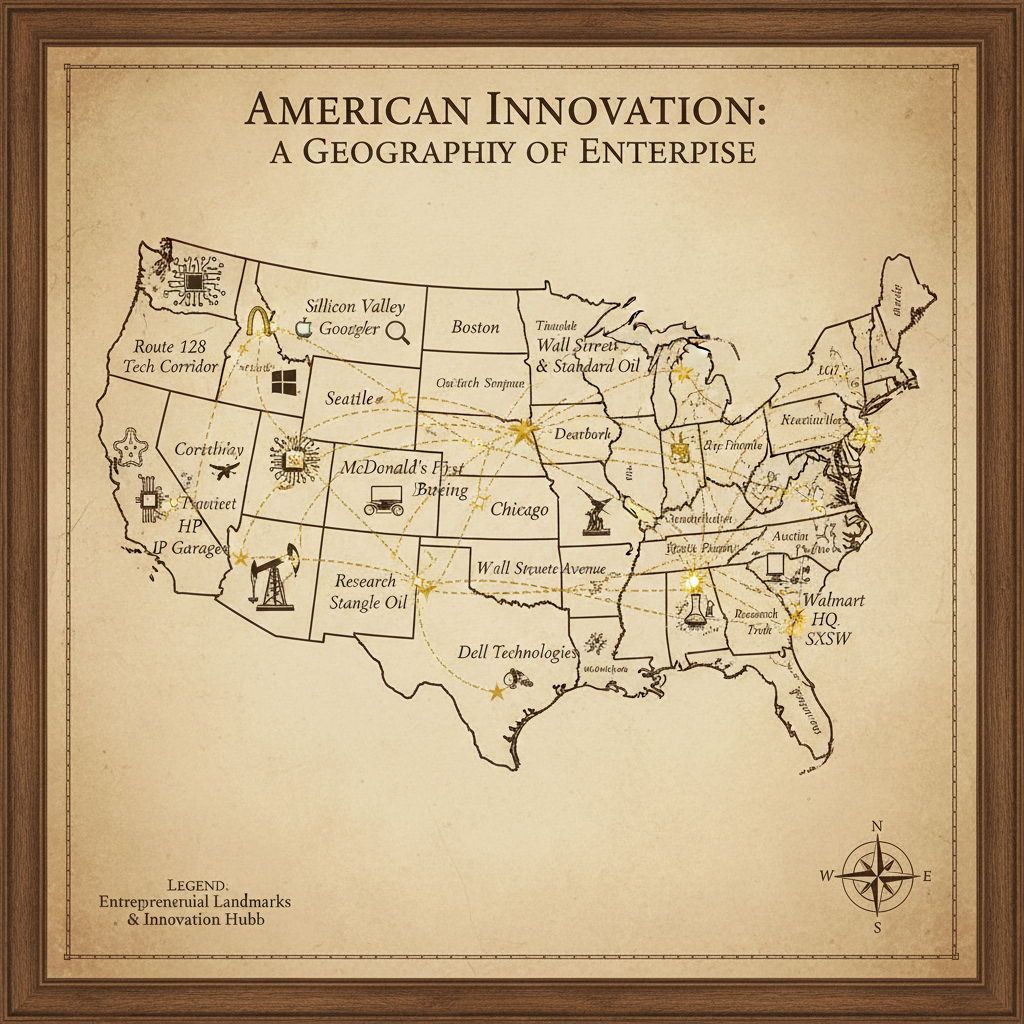
1. The Historical Success of Immigrant Entrepreneurs in the U.S.
Imagine a young man arriving with a simple plan and a few bolts of canvas, aiming to sell tents to miners during the Gold Rush. This was Levi Strauss, who realized miners needed durable clothing more than temporary shelters. By pivoting his strategy, he laid the foundation for what would become a global brand synonymous with quality jeans. Strauss's story is emblematic of the entrepreneurial spirit that defines America—a country where adaptability and innovation create success.
Levi Strauss is just one of many immigrant entrepreneurs who have made a significant impact on the American business landscape. The American Immigration Council notes that nearly half of Fortune 500 companies were founded by immigrants or their descendants. These businesses, like Google, NVIDIA, and Stripe, employ millions and generate substantial revenues, showcasing the transformative power of immigrant-founded enterprises.
2. Why the U.S. Continues to Be a Prime Destination for Business Formation
There are several compelling reasons why international entrepreneurs choose to launch businesses in the United States. First and foremost is access to venture capital. Investors often prefer to pour funds into U.S. entities due to the strong regulatory framework and economic stability. For startups, incorporating as a Delaware C-Corp is frequently recommended, given its popularity among investors and accelerators like Y Combinator.
Another factor is the sheer scale of the U.S. market. With over 330 million consumers, all operating within a single legal, monetary, and linguistic framework, businesses can scale rapidly without needing to navigate multiple regulatory systems. The market size is complemented by a dense startup ecosystem where experienced founders, advisors, and investors are readily accessible.
For international founders, opening a U.S. company facilitates access to American banking, global payment platforms like Stripe and PayPal, and simplifies contracting with U.S. clients.
2.1 Market Scale and Ecosystem Density
The U.S. boasts a unique combination of market size and an extensive ecosystem. This pairing provides both the customer base and the support network needed to grow rapidly. The density of experienced professionals and advisors contributes to a nurturing environment for startups.
2.2 The Relocation Advantage
Research from Stanford University's Venture Capital Initiative reveals that companies relocating to the U.S. from other countries, such as Israel, India, and the UK, significantly enhance their chances of achieving unicorn status. This increase in success probability is attributed to better access to capital, a larger market, and more robust networking opportunities.
3. The Unyielding Pace of Business Creation in the U.S.
The entrepreneurial spirit in the U.S. is not only historical but also contemporary. In 2023, the U.S. saw a record number of new businesses launched—a testament to a thriving and ever-expanding ecosystem. The pandemic period actually served as a catalyst for entrepreneurship, prompting individuals to reassess priorities, identify market gaps, and innovate.
For international entrepreneurs, the U.S. remains open to opportunities. The country continues to offer the resources and networks needed for ambitious projects to flourish.
4. The Process for International Founders to Start a U.S. Business
Starting a business in the U.S. as a foreign founder is more straightforward than many anticipate. You do not need to physically relocate to the U.S. to establish your company. The most common paths include forming an LLC or C-Corp in states renowned for being business-friendly, such as Delaware, Wyoming, and Florida.
Once incorporated, you can open a U.S. business bank account and obtain an EIN (Employer Identification Number), enabling you to operate entirely remotely.
4.1 Choosing the Right State for Your Business
Delaware is generally favored for its investor-friendly corporate laws. Wyoming and Florida present attractive alternatives with lower costs and no state income tax.
Services like FastLLC assist founders throughout the formation process, including obtaining an EIN without a U.S. Social Security Number and providing registered agent services, ensuring compliance and convenience.
4.2 Remote Operation and Compliance
A registered agent is necessary for your chosen state, but otherwise, handling your business operations remotely is entirely feasible. This includes managing banking and compliance via digital platforms.

Table: Comparison of Business Formation States
| State | Advantages | Considerations |
|---|---|---|
| Delaware | Favorable corporate laws, investor preference | Higher annual fees |
| Wyoming | Low fees, no state income tax | Less investor familiarity |
| Florida | No state income tax, favorable climate for startups | Varies by jurisdiction |
5. The Impact of American Business Culture and Regulations
The U.S. offers strong intellectual property protections and a robust legal framework that fosters innovation and security for new businesses. These factors, combined with cultural openness to entrepreneurship, make the U.S. an attractive destination for global founders.
Additionally, the U.S. provides unparalleled access to capital, from angel investors to venture capitalists, and a consumer market eager for new and innovative products.
5.1 Intellectual Property and Legal Framework
Strong IP protections ensure that your innovations and brand are safeguarded, which is crucial for sustainable business growth.
5.2 Cultural Openness and Support Networks
The entrepreneurial culture is deeply ingrained in the American fabric, with numerous support networks available to help founders navigate the challenges of starting and scaling a business.

6. Next Steps for Aspiring Entrepreneurs
If you're considering starting a business in the United States, now is the time to act. Begin by researching your options for business formation, evaluating the best state for your needs, and exploring services like FastLLC to streamline the process. Understand the advantages each state offers, and consider how these align with your business goals.
Remember, the journey of entrepreneurship, much like Levi Strauss's, is about adapting and seizing opportunities. With the robust ecosystem and support available, launching a U.S. business can be a transformative experience.
Take the next step, explore your formation options, and tap into the vast resources the U.S. market offers.
7. Common Mistakes When Starting a U.S. Business as a Foreign Founder
While the U.S. is a land of opportunity for foreign entrepreneurs, there are common pitfalls that can hinder their success. Recognizing these mistakes and avoiding them can drastically improve your chances of building a successful enterprise.
7.1 Underestimating Regulatory Differences
One frequent error is underestimating the complexity of U.S. regulations compared to other countries. Each state has its own set of rules, and failing to comply can lead to fines or business closure. It is crucial to thoroughly research state-specific laws and consult with a legal expert familiar with U.S. business regulations.
7.2 Lack of Market Research
Many foreign founders mistakenly assume that what works in their home country will translate directly to success in the U.S. market. However, cultural preferences, consumer behavior, and competitive landscapes can differ significantly. Conducting comprehensive market research is essential to tailor products and strategies for U.S. consumers.
7.3 Inadequate Networking
Networking is pivotal in the U.S. business ecosystem. Foreign founders often focus solely on business operations and neglect building relationships with industry peers, mentors, and investors. Utilizing platforms like LinkedIn, attending industry events, and joining entrepreneur groups can expand your network and provide valuable insights.
8. Case Studies: Successful Foreign Entrepreneurs in the U.S.
Examining the journeys of successful foreign entrepreneurs can offer valuable lessons and inspiration. Here are a few notable examples:
8.1 Elon Musk: From South Africa to Silicon Valley
Elon Musk, originally from South Africa, moved to the U.S. to pursue his dreams in technology and innovation. He co-founded Zip2, which sold for nearly $300 million, and went on to create PayPal, SpaceX, and Tesla. Musk's story emphasizes the importance of resilience, innovation, and leveraging U.S. resources to achieve unprecedented success.
8.2 Sergey Brin: The Russian-Born Co-Founder of Google
Sergey Brin emigrated from Russia and co-founded Google while at Stanford University. His journey highlights the impact of education, networking, and the willingness to pivot and adapt. Google's success is a testament to the power of combining technical expertise with an understanding of market needs.
8.3 Jan Koum: WhatsApp's Ukrainian Visionary
Jan Koum moved from Ukraine to the U.S. and later founded WhatsApp, which was acquired by Facebook for $19 billion. Koum's story underscores the significance of focusing on solving real-world problems and creating user-friendly solutions, leading to monumental success in the tech industry.
9. Step-by-Step Guide to Launching Your U.S. Business
To facilitate a successful launch of your U.S. business, follow these detailed steps:
- Research and Planning: Conduct thorough research to identify your target market, competitors, and regulatory requirements.
- Choose Your Business Structure: Decide whether an LLC or C-Corp best suits your needs. Consider factors like tax implications and investor preferences.
- Select the Right State: Evaluate states based on their business-friendly laws, costs, and tax structures. Use comparison tables to make an informed decision.
- Incorporate Your Business: File the necessary paperwork to officially register your business. Services like FastLLC can streamline this process.
- Open a U.S. Bank Account: Obtain an EIN and establish a U.S. bank account to facilitate transactions and financial management.
- Build Your Network: Connect with industry professionals, attend events, and join advisory groups to expand your network.
- Launch and Market Your Business: Develop a strong marketing strategy to introduce your product or service to the U.S. market.
- Ensure Compliance: Regularly review and adhere to state and federal regulations to maintain compliance and avoid penalties.
By following these steps, foreign founders can navigate the complexities of starting a U.S. business and optimize their chances for success.
Frequently Asked Questions
Yes, non-residents can form LLCs or corporations in the U.S. without citizenship or residency requirements.
The U.S. offers access to venture capital, a large consumer market, and strong legal protections, making it ideal for business formation.
No, you can manage your U.S. business remotely with the aid of a registered agent and digital banking services.
Delaware, Wyoming, and Florida are popular choices for their favorable business conditions and legal frameworks.
Services like FastLLC can help international founders acquire an EIN without needing a U.S. Social Security Number.
Share this article



Ready to start your US LLC?
Formation, EIN, registered agent, and ongoing compliance — handled in one place.
Get Started for Free