
Why Global Entrepreneurs Choose the US to Launch Their Startups

In the realm of entrepreneurship, the United States has long stood as a beacon for innovators and dreamers worldwide. The story of Levi Strauss, who arrived in San Francisco with a handful of canvas rolls during the California Gold Rush, embodies the spirit of adaptability and opportunity that still draws global founders to American shores. While Strauss initially aimed to sell tents, he ingeniously transformed his canvas into durable trousers for miners, thus creating a staple in American fashion that persists to this day. This tale highlights why the US remains a favored destination for establishing a business. But beyond the historical allure, there are practical, economic, and strategic reasons why founders from all corners of the globe continue to choose the US as the home for their ventures.
1. A Hub of Innovation Fueled by Immigration
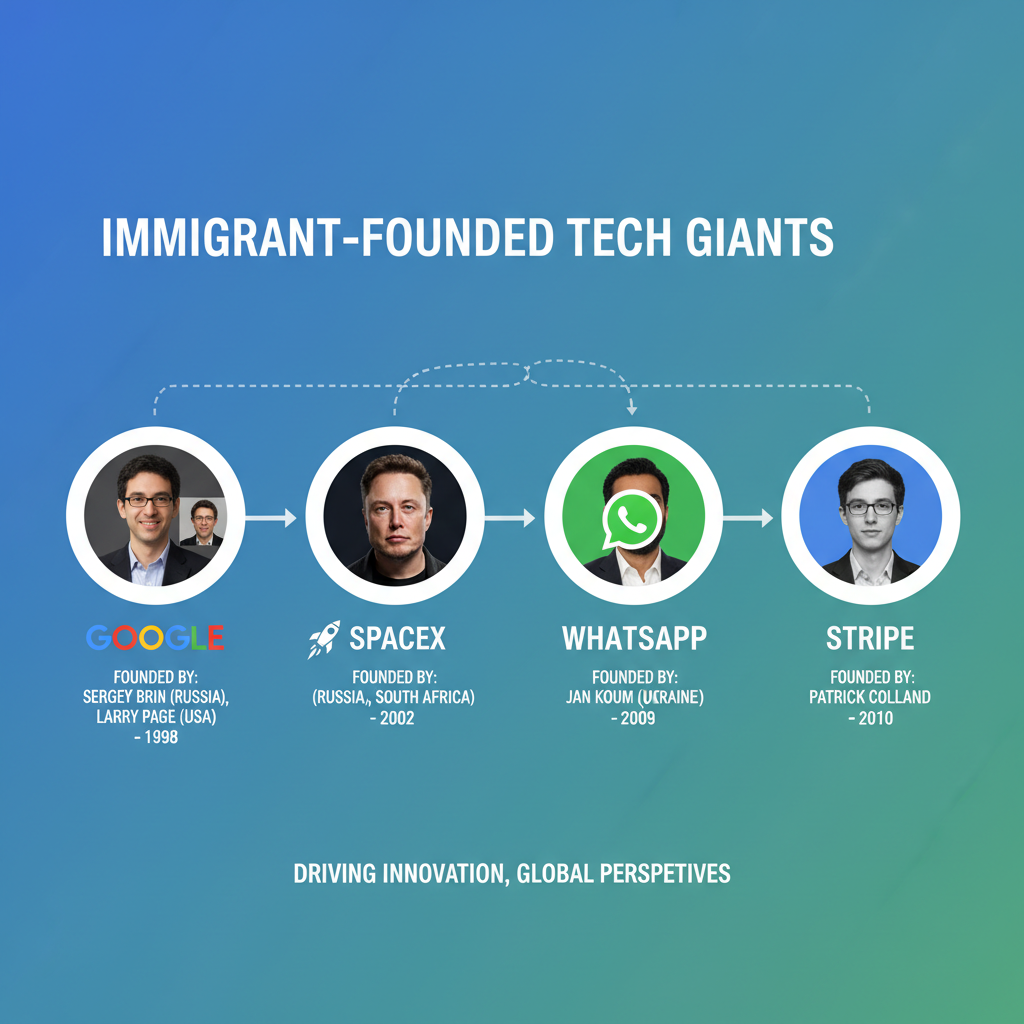
The United States has a rich history of being shaped by immigrants, a fact that is vividly illustrated in the entrepreneurial landscape. According to the American Immigration Council, nearly half of the Fortune 500 companies were established by immigrants or their children. This includes globally recognized names like Google, Nvidia, and SpaceX. Such firms not only contribute significantly to the US economy but also employ millions, creating a ripple effect of innovation and growth.
Immigrant-Founded Corporations
Here’s a snapshot of some notable companies founded by immigrants:
| Company | Founder | Country of Origin |
|---|---|---|
| Sergey Brin | Russia | |
| SpaceX | Elon Musk | South Africa |
| Nvidia | Jensen Huang | Taiwan |
These companies represent just a fraction of the economic powerhouse driven by immigrant entrepreneurs. Their success stories underscore the potential of global founders who choose to plant their business roots in the US.
2. Why the US is Ideal for Business Formation
Choosing the US as a launchpad for your business involves more than just following a trend; it’s about leveraging a strategic advantage. Here’s why:
Access to Venture Capital
Venture capitalists often prefer investing in companies registered as U.S. entities, particularly C-Corporations in Delaware, due to favorable corporate laws and investor familiarity. FastLLC can facilitate this process, making access to crucial funding more streamlined for non-resident entrepreneurs.
Market Size and Uniformity
The US market offers over 330 million consumers, unified under a consistent legal and economic framework. This means that businesses face fewer regulatory hurdles compared to navigating multiple international jurisdictions. Establishing a US entity with FastLLC can simplify compliance needs and help you tap into this expansive market.
Robust Startup Ecosystem
The US boasts an unparalleled density of startups, which fosters a rich environment of networking, mentorship, and partnership opportunities. Cities like Silicon Valley and New York are epicenters of this ecosystem, offering a fertile ground for founders to develop and scale their innovations.
3. The Impact of Relocation on Startup Success
Relocating to the US has statistically proven benefits for startups. Studies show that companies moving from countries like Israel, India, and the UK to the US increase their chances of becoming unicorns—startups valued at over $1 billion. Here’s a deeper dive into these findings:
Case Studies: The Relocation Advantage
- Israeli Startups: Startups relocating from Israel to the US are nine times more likely to achieve unicorn status.
- Indian Startups: These companies see a 6.5x increase in their chances of reaching unicorn status when moving to the US.
- British Startups: Relocating to the US doubles the likelihood of British startups achieving significant growth and valuation milestones.
This phenomenon, often referred to as the ‘relocation effect,’ highlights the tangible benefits of tapping into the American market and its resources.
4. Exploring the Entrepreneurial Boom
Despite more than two centuries of business establishment, the US continues to experience a surge in new business ventures. The recent pandemic era, rather than stifling entrepreneurship, has catalyzed a record number of new business formations. In 2023 alone, over 5.4 million businesses were established.
Opportunities Amidst Challenges
This boom is attributed to shifting market needs and newfound opportunities for addressing them. The entrepreneurial spirit is alive and well, with international founders playing a crucial role in this dynamic landscape. FastLLC is poised to assist these founders in navigating the complexities of US business formation, ensuring compliance and strategic alignment.
5. Steps to Start a US Company as a Non-Resident
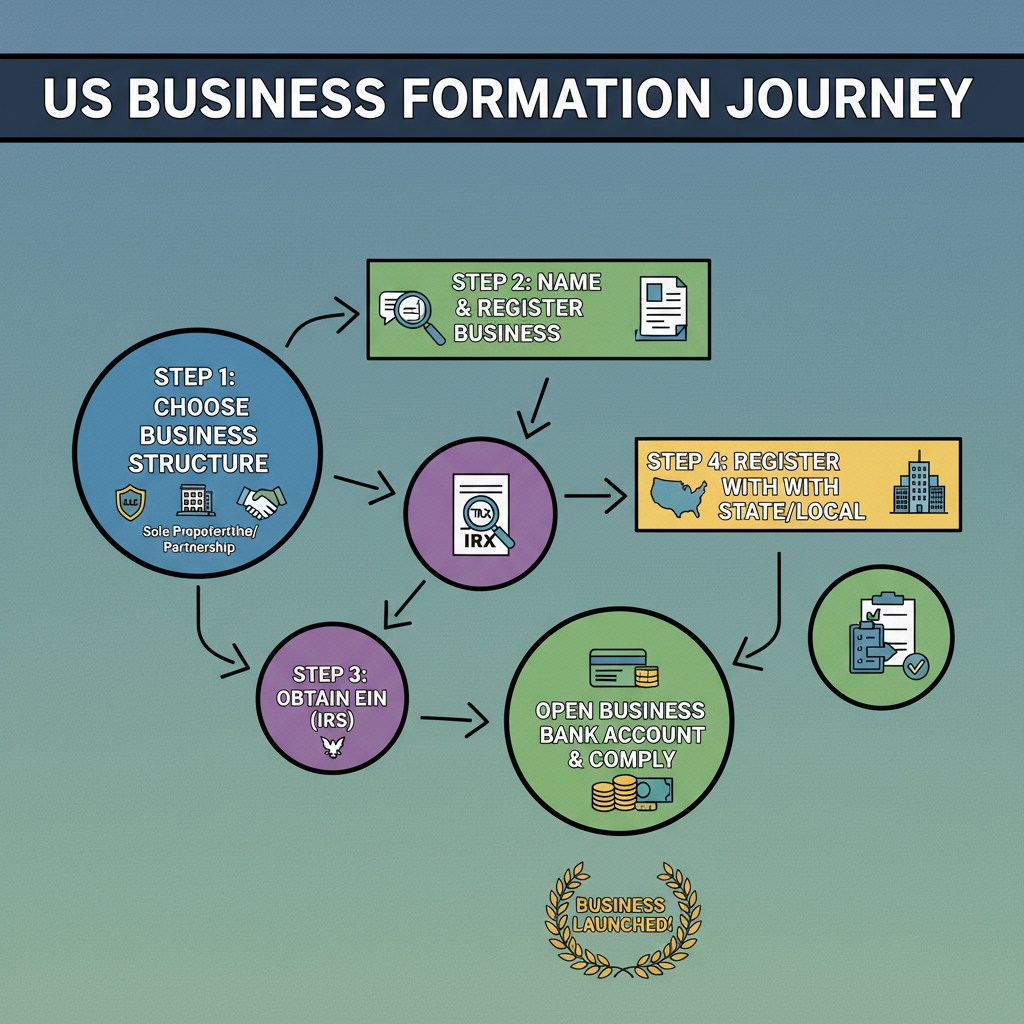
For international entrepreneurs ready to start a business in the US, the process is more straightforward than one might expect. Here are key steps involved:
Choose Your Business Structure
Most non-residents opt for either a Limited Liability Company (LLC) or a C-Corp. States like Delaware, Wyoming, and Florida are popular due to business-friendly laws and tax advantages. FastLLC offers comprehensive packages that simplify the formation process.
Obtain an EIN
An Employer Identification Number (EIN) is necessary for tax purposes and to open a US bank account. Non-residents without a Social Security Number can still acquire an EIN through expert services like FastLLC, facilitating this essential step.
Open a US Business Bank Account
A US-based bank account is crucial for operating your business. It enables smoother transactions with American clients and partners. FastLLC can guide you through the banking setup, ensuring compliance and efficiency.
Secure a Registered Agent
Every US business must have a registered agent to receive official documents. This service is typically included in formation packages provided by FastLLC, offering peace of mind and operational ease.
Conclusion: Your Path Forward
Launching a business in the United States offers a myriad of advantages for international entrepreneurs, from market access and capital to a robust support ecosystem. By understanding the steps and leveraging the right resources, such as those offered by FastLLC, you can effectively position your company for success in the American landscape. As you consider this exciting journey, remember that the US continues to welcome innovative thinkers ready to make their mark. Embark on your entrepreneurial adventure with confidence and unleash your potential in the land of opportunity.
6. Common Mistakes When Starting a US Business as a Non-Resident
Starting a business in the US as a non-resident can be a rewarding venture, but it is not without its pitfalls. Awareness of common mistakes can save you time, money, and potential legal issues. Here are some frequent errors international entrepreneurs should avoid:
Neglecting to Understand Tax Obligations
One of the most overlooked aspects is the US tax system's complexity. Non-residents often misunderstand their tax obligations, leading to compliance issues. It’s crucial to consult with a tax professional who understands both your home country’s tax treaties with the US and the intricacies of US tax law.
Choosing the Wrong Business Structure
Opting for the incorrect business structure can have long-term effects on your tax liability and operational flexibility. While LLCs offer simplicity and direct taxation benefits, C-Corps are often favored for their ability to attract investors. FastLLC provides guidance to help choose the best structure for your specific needs.
Ignoring State-Specific Requirements
Each US state has its own set of regulations and compliance requirements. Entrepreneurs often overlook these nuances, focusing only on federal compliance. Engaging with experts who are knowledgeable about state-specific laws can prevent costly mistakes.
7. Real-World Success Stories of Non-Resident Entrepreneurs
To illustrate the potential of launching a business in the US as a non-resident, here are some inspiring stories of entrepreneurs who successfully navigated this path:
Story of Estée Lauder
Estée Lauder, born Josephine Esther Mentzer, was the daughter of Hungarian immigrants. She started her cosmetics business in New York during the late 1940s with a focus on quality and customer service. Today, Estée Lauder is a global beauty empire, demonstrating how immigrant roots and a keen business acumen can thrive in the US.
From Sweden to Silicon Valley: Daniel Ek
Daniel Ek, the co-founder of Spotify, moved from Sweden to the US to expand his music streaming service. By tapping into the US’s tech ecosystem and venture capital resources, Spotify transformed from a European startup to a global leader in the music industry.
These stories exemplify the entrepreneurial spirit and opportunity that the US offers to non-residents willing to take the leap.
8. Step-by-Step Guide to Maintaining Compliance
Once your business is established, maintaining compliance is crucial to its long-term success. Here’s a step-by-step guide to help ensure your business remains in good standing:
1. File Annual Reports
Most states require businesses to file annual reports to keep their registration active. These reports often include updates on business addresses, registered agents, and management changes. FastLLC can assist in timely and accurate filings.
2. Pay State Taxes and Fees
Ensure that state taxes and necessary fees are paid on time. States like Delaware impose franchise taxes, which are essential to keep your business in good standing. Understanding your state’s tax calendar and requirements is vital.
3. Renew Business Licenses
Depending on your business type and location, renewing your business licenses regularly is mandatory. FastLLC offers services to track and manage license renewals to prevent interruptions in operations.
4. Maintain Corporate Minutes and Records
Keeping detailed corporate minutes and records is not only a good business practice but often a legal requirement. These documents may include meeting minutes, resolutions, and shareholder communications, ensuring transparency and accountability.
By staying on top of these compliance measures, non-resident entrepreneurs can focus on growing their business without the stress of legal setbacks.
Frequently Asked Questions
Absolutely. Non-residents can establish an LLC or corporation in the US, with no requirement for citizenship or residency.
Delaware is a popular choice for its well-established corporate laws, but Wyoming and Florida offer attractive benefits as well, such as lower fees and tax advantages.
No, you can manage your US business remotely. However, you'll need a registered agent in the state of incorporation.
The US offers access to extensive venture capital, a large consumer market, and robust legal protections for intellectual property, making it an attractive location for startups.
Costs vary based on the state and business structure. Delaware C-Corps might have higher fees, while Wyoming LLCs are more cost-effective. Using a service like FastLLC can help manage and disclose costs transparently.
Share this article



Ready to start your US LLC?
Formation, EIN, registered agent, and ongoing compliance — handled in one place.
Get Started for Free