
Why an LLC is Ideal for Diverse Business Types: From Freelancers to Retailers

1. Understanding the LLC Advantage for Global Entrepreneurs
For entrepreneurs outside the United States, deciding on the right business structure is a crucial first step. The Limited Liability Company (LLC) is a popular choice, offering a blend of flexibility and protection that suits a wide range of business types. Whether you are a digital nomad providing design services or planning to open a boutique in the U.S., an LLC can be a strategic option.
The core appeal of an LLC lies in its ability to separate personal assets from business liabilities. This legal separation means that, if your business faces a lawsuit or incurs debts, your personal finances are generally shielded. This benefit is particularly significant for foreign founders who may not be familiar with U.S. legal systems.
1.1 The Simplicity of an LLC
One of the most attractive features of an LLC is its simplicity, especially when compared to the more rigid structure of a corporation. LLCs enjoy pass-through taxation, meaning the company’s profits and losses are reported on the personal income tax returns of its owners, avoiding the double taxation typical of C corporations.
Additionally, LLCs do not require formalities like annual meetings or intricate record-keeping, enabling entrepreneurs to focus more on growing their business rather than administrative tasks.
2. Key Benefits of Forming an LLC
LLCs offer a range of benefits that can make them the ideal choice for many business types. Here are some reasons why forming an LLC could be a smart move:
- Personal Liability Protection: Safeguards your personal assets from business-related debts and lawsuits.
- Tax Flexibility: Choose to have your business taxed as a sole proprietorship, partnership, S corporation, or C corporation.
- Enhanced Credibility: Operating under an LLC can enhance your business's image with customers, clients, and financial institutions.
- Easy Management: Manage the business yourself or with partners, with fewer formal requirements than a corporation.
2.1 Tailored Options for Different Business Needs
Whether you’re a solo consultant or part of a larger team, the LLC structure offers flexible management models. You can operate the business yourself or establish a management system that includes partners. This flexibility allows you to define the operational terms that best suit your business strategy.
3. Why an LLC is Suitable for Various Business Models
Let’s explore why an LLC could be the right choice for several different business types, especially for those based outside of the U.S. planning to expand or start their business in America.
3.1 Professional Services
For professionals like consultants, accountants, and tech support specialists, liability protection is critical. An LLC can protect personal finances in case of legal claims related to the services provided. Imagine a consultant facing a lawsuit due to disputed advice; an LLC helps shield personal assets in such scenarios.
3.2 Construction and Trade Services
In industries like construction and landscaping, the risk of accidents and disputes increases the need for liability protection. An LLC can protect a general contractor's personal finances from being at risk due to project-related legal issues or accidents.
3.3 Real Estate Ventures
For real estate agents and property managers, an LLC offers a layer of protection against legal issues arising from tenant disputes or financial transactions. By owning rental properties through an LLC, a landlord can protect personal assets from liability claims made by tenants.
3.4 Creative Industries
Artists, photographers, and designers running creative businesses can benefit from forming an LLC by gaining professional credibility and protecting personal assets from potential legal claims.
3.5 Retail Businesses
Retailers, whether operating online or in physical stores, deal with customers and inventory risks. An LLC can provide a protective barrier for personal assets against lawsuits over product issues or other disputes.
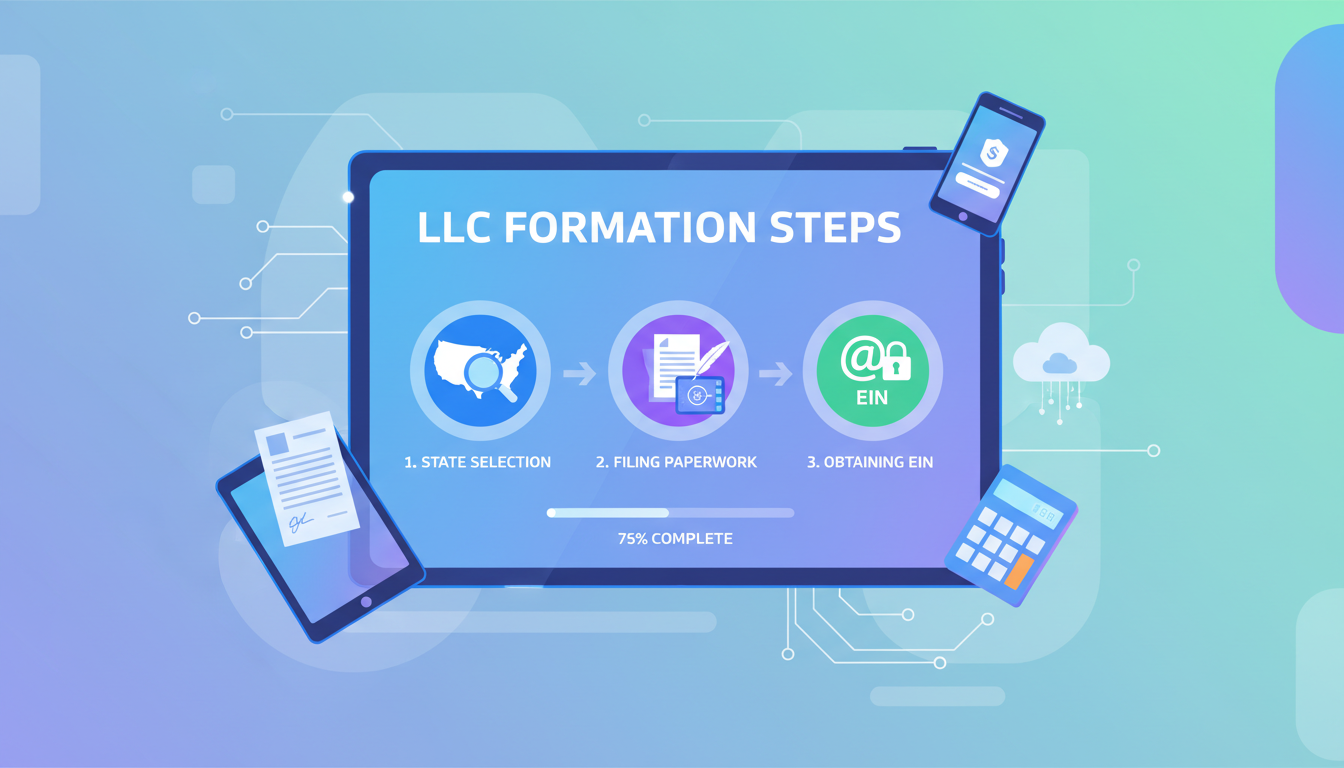
4. Steps to Form an LLC as a Non-Resident
Starting an LLC in the U.S. as a non-resident involves specific steps, but with the right guidance, it can be straightforward. Services like FastLLC specialize in assisting non-residents through this process.
4.1 Choosing a State
Decide on the U.S. state where you want to register your LLC. Each state has different regulations and fees, so consider where you plan to conduct your business or where legal benefits align with your business model.
4.2 Hiring a Registered Agent
Non-resident entrepreneurs are required to have a registered agent in the U.S. A registered agent receives legal documents on behalf of your LLC, and services like FastLLC can include this in your formation package.
4.3 Filing the Articles of Organization
Submit the necessary formation documents, known as the Articles of Organization, to the chosen state’s business filing office. This step legally establishes your LLC.
4.4 Obtaining an EIN
An Employer Identification Number (EIN) is necessary for tax purposes and to open a business bank account. Non-residents, even without a Social Security Number, can acquire an EIN through a service provider like FastLLC.

5. Leveraging FastLLC for Your Business Formation
FastLLC offers comprehensive solutions for non-resident entrepreneurs looking to form an LLC in the U.S. From helping you choose the right state to handling paperwork and compliance tasks, FastLLC simplifies the formation process.
5.1 Additional Services
Alongside forming your LLC, FastLLC can assist with:
- Ensuring compliance with ongoing state requirements
- Providing registered agent services
- Helping you obtain an EIN
- Offering tools to manage your business operations effectively
6. Conclusion: Taking the Next Step
Forming an LLC as a non-resident grants you access to the U.S. market with the peace of mind that your personal assets are protected. With benefits such as liability protection, tax flexibility, and credible business presentation, an LLC positions your business for success across various industries.
The journey of establishing a business in the U.S. may seem daunting, but with partners like FastLLC, you can navigate this path confidently. Take the first step by assessing your business goals and exploring how an LLC aligns with your vision.
7. Common Mistakes When Forming an LLC as a Non-Resident
While forming an LLC as a non-resident can be straightforward, there are several common pitfalls that entrepreneurs should avoid to ensure a smooth process and successful business setup.
7.1 Choosing the Wrong State
One of the most frequent mistakes is selecting a state for incorporation without fully understanding the implications. While some states, like Delaware and Nevada, are popular for their business-friendly laws, the best choice often depends on where you plan to conduct most of your business activities. It's crucial to assess state-specific taxes, fees, and compliance requirements.
7.2 Neglecting the Operating Agreement
An operating agreement is not always required, but it is a vital document for establishing the management structure and operational guidelines of your LLC. Skipping this step can lead to internal disputes and legal challenges. Even as a single-member LLC, having a well-drafted operating agreement clarifies your business procedures and protects your interests.
7.3 Ignoring Ongoing Compliance Requirements
After forming an LLC, ongoing compliance is essential. This includes filing annual reports, maintaining a registered agent, and paying state fees. Ignoring these responsibilities can lead to penalties and, in extreme cases, the dissolution of your LLC. Utilizing services like FastLLC can help manage these requirements effectively.
7.4 Misunderstanding Tax Obligations
Non-resident LLC owners must understand U.S. tax obligations, including federal and potential state taxes. Poor tax planning can result in unexpected liabilities. Consult with a tax advisor familiar with international business operations to optimize your tax strategy and ensure compliance.
8. Comparative Analysis: LLC vs. Other Business Structures
Choosing the right business structure is pivotal for international entrepreneurs. Let's compare the LLC to other common business structures to highlight its advantages and limitations.
| Business Structure | Liability Protection | Tax Implications | Management Flexibility | Complexity |
|---|---|---|---|---|
| LLC | Yes | Pass-through taxation | Flexible, can be member-managed or manager-managed | Moderate |
| C Corporation | Yes | Double taxation | Rigid, requires a board of directors and officers | High |
| S Corporation | Yes | Pass-through taxation, but with eligibility restrictions | Requires a board of directors, limited number of shareholders | High |
| Sole Proprietorship | No | Pass-through taxation | Full control by owner | Low |
| Partnership | Limited (in LPs) or None (in General Partnerships) | Pass-through taxation | Shared control, depending on partnership agreement | Moderate |
An LLC offers a balance between liability protection and management flexibility with relatively simple tax implications, making it an attractive option for many non-resident entrepreneurs.
Understanding these aspects allows you to make informed decisions that align with your business goals and operational needs, setting a solid foundation for your venture in the U.S. market.
Frequently Asked Questions
An LLC is a flexible business structure that offers liability protection and pass-through taxation, separating personal assets from business liabilities.
Non-residents can benefit from an LLC's liability protection, tax flexibility, and simplified management while accessing the U.S. market.
Yes, non-residents can obtain an EIN for their LLC through services like FastLLC, even without a Social Security Number.
Yes, LLCs must have a registered agent to receive legal documents. FastLLC can provide this service as part of their formation package.
Pass-through taxation allows LLC owners to report the business's profits and losses on their personal tax returns, avoiding double taxation.
Share this article



Ready to start your US LLC?
Formation, EIN, registered agent, and ongoing compliance — handled in one place.
Get Started for Free