
Understanding Transfer Pricing Rules: A Guide for International Businesses Expanding to the U.S.

1. Introduction to Transfer Pricing
Transfer pricing is a fundamental concept that plays a vital role in the tax landscape for multinational companies. It refers to the pricing of transactions between affiliated entities within the same corporate group. As businesses expand globally, it becomes crucial to ensure that these transactions comply with international tax rules to avoid hefty penalties.
These rules aim to ensure that intra-group transactions mimic those that would occur between independent companies, adhering to the arm's length principle. For non-U.S. entrepreneurs forming an LLC or corporation in the United States, understanding transfer pricing is essential to maintaining compliant operations.
2. Why Transfer Pricing Matters
When companies operate across borders, sharing resources, services, and personnel among different entities, it presents unique challenges. The tax implications of these intercompany transactions are significant. Compliance with transfer pricing rules ensures fair tax treatment and prevents the shifting of profits to jurisdictions with lower tax rates.
For instance, when a U.S. entity is centralizing management functions, while teams in other countries provide operational support, transfer pricing rules help determine the fair value of these services for tax purposes.
2.1 How Transfer Pricing Impacts Your Business
Non-resident founders looking to expand into the U.S. must be aware of how these rules can affect their business structure and tax obligations. From human resources to finance and customer service, every cross-border activity should be analyzed to ensure compliance.
2.2 Common Challenges Faced
The complexities of transfer pricing can lead to misunderstandings about how to document and compensate intercompany transactions appropriately. This often results in increased tax risks if not managed correctly.
3. Identifying Intragroup Transactions
Intragroup transactions refer to those exchanges where one company within a group provides services, resources, or support to another entity within the same group. Recognizing these transactions is the first step towards compliance.
3.1 Typical Examples
A non-U.S. entity providing HR support for a U.S. company.
Finance professionals managing administrative tasks across borders.
Operational support teams located internationally serving U.S. clients.
Each of these scenarios involves evaluating who benefits, how costs are allocated, and whether the services require documentation and compensation.
4. OECD Guidelines and Local Regulations
The OECD Transfer Pricing Guidelines provide a framework that many countries follow, including the United States, to regulate how transfer pricing is applied. Compliance requires a detailed understanding of these guidelines and any specific local regulations.
4.1 Arm's Length Principle
The arm's length principle mandates that transactions between related parties should occur as if they were between independent entities. This ensures that pricing reflects market conditions.
4.2 Documentation Requirements
Proper documentation is critical. Companies must demonstrate the economic substance of a transaction, identify beneficiaries, and justify compensation methodologies.
Documentation ElementDescriptionActivity PerformedDetailing the services or resources shared.BeneficiariesIdentifying who benefits from the transaction.Cost AllocationExplaining how costs are distributed among entities.Compensation MethodologyDescribing how pricing is determined.
5. Low Value-Adding Intragroup Services
Some services, deemed low value-adding, may qualify for simplified transfer pricing methodologies. These are typically administrative or operational in nature and do not involve significant risks or intangible assets.
The OECD guidelines offer a 5% markup rule for these services, streamlining the analysis process.
5.1 Characteristics of Low Value-Adding Services
Administrative support functions.
Routine HR tasks.
Basic financial services.
However, activities involving strategic management, R&D, or intellectual property do not fit this category.
6. Evaluating Your Company's Structure
Companies expanding into the U.S. should regularly review their structures to ensure compliance with transfer pricing rules. This involves analyzing intercompany agreements, service flows, and the economic impact of shared activities.

Tools like those offered by FastLLC can assist in evaluating whether your operations are structured correctly to align with regulatory requirements, minimizing tax risks.
6.1 Checklist for Compliance
Identify cross-border service providers and recipients.
Document intercompany agreements thoroughly.
Assess if services qualify as low value-adding.
Ensure proper cost allocation and compensation methodologies.
7. The Importance of Documentation
Documentation serves as the cornerstone for compliance with transfer pricing rules. It not only supports tax audits but also validates the economic rationale of intercompany transactions.
7.1 Best Practices
Maintain detailed records of all intercompany activities.
Regularly update documentation to reflect changes in operations.
Include clear explanations for pricing methodologies.
Failure to provide adequate documentation can lead to increased scrutiny and potential penalties during tax audits.
8. Moving Forward
For non-U.S. founders planning to establish a U.S. entity, understanding and applying transfer pricing rules is crucial. It not only protects against tax risks but also strengthens the overall governance of international operations.
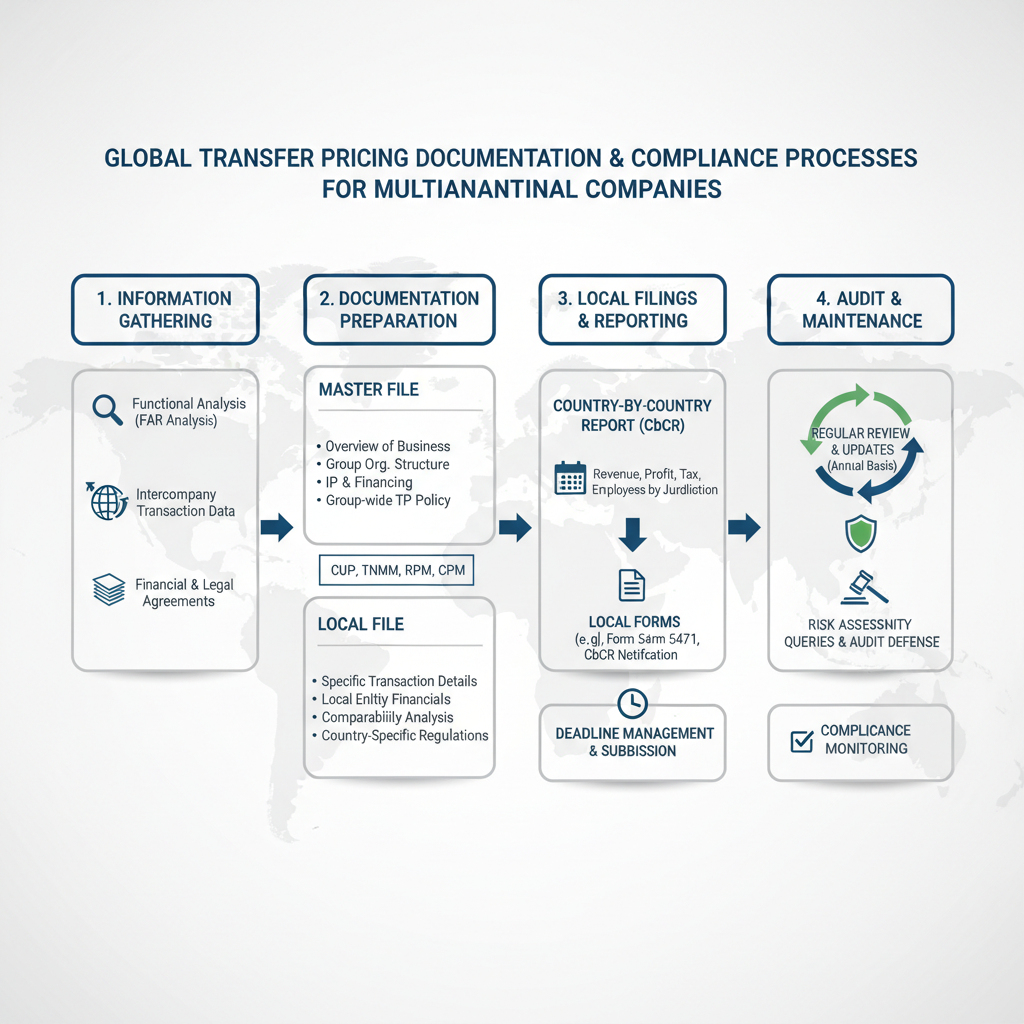
By using services like FastLLC, businesses can gain insights into structuring their operations, ensuring compliance, and optimizing for tax efficiency. As you consider expanding your business into the U.S., take the next step by evaluating your current structures and seeking professional guidance to align with transfer pricing regulations.
8.1 Final Thoughts
As global business environments become increasingly complex, the need for compliant international operations grows. Take proactive measures to understand transfer pricing and implement strategies that promote fair and transparent intercompany transactions.
9. Common Mistakes in Transfer Pricing
While transfer pricing is a critical aspect of multinational operations, many companies make errors that can lead to significant financial and regulatory consequences. Recognizing these common pitfalls is essential for ensuring compliance and avoiding potential penalties.
9.1 Overlooking Local Regulations
One frequent mistake is failing to account for the specific transfer pricing requirements of each country where the company operates. While the OECD guidelines provide a broad framework, local regulations may impose additional documentation and compliance obligations. Companies need to be vigilant in their research and application of these local rules.
9.2 Inadequate Documentation
Another common error is insufficient or poorly maintained documentation. Many firms underestimate the level of detail required to substantiate their pricing methods. This oversight can lead to disputes with tax authorities and increased audit risks. Regular audits of documentation practices can help ensure that records are comprehensive and up-to-date.
9.3 Misclassifying Services
Misclassifying services as either low value-adding or high value-adding can lead to incorrect pricing strategies. It is essential for companies to accurately assess the nature of their intercompany services and apply the appropriate transfer pricing methodologies, avoiding blanket assumptions that may not fit the specific context.
10. Real-World Examples of Transfer Pricing Compliance
Understanding transfer pricing through real-world examples can provide valuable insights for businesses navigating these regulations. Here are a few scenarios that illustrate how companies successfully manage transfer pricing compliance.
10.1 A Tech Giant's Strategy
A major technology company with operations in multiple countries developed a centralized service model. By carefully documenting their intercompany agreements and ensuring all intra-group services adhered to the arm's length principle, the company maintained compliance and minimized tax liabilities. This strategy involved regular updates to pricing methodologies in response to market changes.
10.2 A Manufacturing Firm's Approach
A multinational manufacturing firm focused on proper cost allocation for its supply chain operations. By implementing a robust transfer pricing policy that aligned with both OECD guidelines and local regulations, the firm avoided disputes with tax authorities and ensured fair profit distribution across its global entities.
10.3 A Retailer's Documentation Practices
A leading retailer with subsidiaries in various regions emphasized the importance of comprehensive documentation. The retailer conducted annual reviews of its transfer pricing documentation to reflect changes in business operations and market conditions, thus reinforcing its commitment to compliance and reducing the risk of audits.
11. Step-by-Step Guide to Implementing Transfer Pricing Policies
Successfully implementing transfer pricing policies requires a structured approach. Here is a step-by-step guide to help businesses set up compliant transfer pricing practices:
Conduct a Functional Analysis: Begin by understanding the functions, assets, and risks associated with each entity within the corporate group. This analysis is critical for determining the appropriate transfer pricing method.
Select the Right Method: Choose a transfer pricing method that aligns with the type of transaction and industry standards. Common methods include the Comparable Uncontrolled Price (CUP) method, the Cost Plus method, and the Transactional Net Margin method.
Develop Intercompany Agreements: Draft detailed agreements that outline the terms and conditions of intercompany transactions. These agreements should mirror those that would be made with independent third parties.
Maintain Thorough Documentation: Keep comprehensive records of all intercompany transactions, including pricing methodologies, economic analyses, and any adjustments made to reflect changes in market conditions.
Regularly Review and Update Policies: Ensure that transfer pricing policies remain current by conducting regular reviews. Update policies to reflect any changes in business operations, market conditions, or regulatory requirements.
Engage Professional Advisors: Consider seeking advice from transfer pricing experts or legal advisors to navigate complex regulations and to ensure that policies are compliant with both international guidelines and local laws.
By following these steps, businesses can enhance their compliance with transfer pricing rules and minimize the risk of disputes with tax authorities.
Frequently Asked Questions
Transfer pricing refers to the pricing of transactions between affiliated entities within the same corporate group for tax purposes.
It ensures fair tax treatment of intercompany transactions and prevents profit shifting to lower-tax jurisdictions.
These are administrative or operational services that qualify for simplified transfer pricing methodologies, often involving a 5% markup.
FastLLC offers services to help evaluate corporate structures, intercompany agreements, and ensure compliance with transfer pricing rules.
Documentation should demonstrate the economic substance of transactions, including activities performed, beneficiaries, cost allocation, and compensation methodologies.
Share this article



Ready to start your US LLC?
Formation, EIN, registered agent, and ongoing compliance — handled in one place.
Get Started for Free