
How to Streamline Your Invoicing Process as a Non-Resident Founder: Essential Tools and Tips

Managing invoices can be one of the most time-consuming and error-prone tasks for founders, especially those operating from outside the United States. This comprehensive guide explores the challenges faced by non-resident founders in handling their invoicing processes and introduces effective solutions to streamline your financial operations. Whether you're running a subscription-based service or a one-time product business, understanding and optimizing your invoicing strategy is crucial for maintaining smooth cash flow and sustaining business growth.
1. Understanding the Challenges of Invoicing for Non-Resident Founders
For non-resident entrepreneurs, invoicing isn't just about issuing bills and collecting payments. It's a multifaceted process that involves accurate documentation, timely follow-ups, and integration with financial systems. Let's delve into some common challenges:
1.1 The Time Drain of Manual Invoicing
Drafting invoices manually can become a repetitive and tedious task. Each invoice requires careful entry of client details, itemized services, and calculations, which can consume hours that could otherwise be spent on core business activities like improving products or acquiring new clients.
1.2 Difficulty in Tracking Invoice Status
Without an efficient system, keeping track of invoice statuses can be daunting. You might find yourself searching through emails to check if clients have received, viewed, or paid their invoices. This lack of clarity can lead to unnecessary delays and cash flow issues.
1.3 Matching Payments to Specific Invoices
After receiving payments, the next challenge is to ensure they correspond to the correct invoices. Without a proper system in place, reconciling bank statements with invoice records can be labor-intensive, leading to potential mismatches and financial discrepancies.
1.4 Risk of Inaccuracies and Errors
Manual data entry increases the risk of errors such as incorrect amounts, misplaced decimal points, or missing due dates. Such inaccuracies can result in delayed payments or disputes, ultimately affecting your business's financial health.
1.5 Repeatedly Issuing Recurring Invoices
For businesses with subscription models, creating and sending the same invoice monthly should be straightforward. However, many founders end up manually repeating this process, which is inefficient and prone to errors over time.
2. Evaluating Current Invoicing Solutions
While there are many invoicing tools available today, they often fall short in meeting the specific needs of non-resident founders. Here are some common limitations:
2.1 Limited Integration with Other Software
Most invoicing platforms don't integrate seamlessly with accounting software, payment processors, or CRM systems, forcing you to manually transfer data and increasing the risk of errors.
2.2 Inadequate Automation Features
Even though some software offers basic automation, the lack of advanced features means founders still spend time manually sending recurring invoices and chasing overdue payments.
2.3 User Interface Complexity
A complex user interface can slow down the invoicing process, making it challenging for founders to quickly access needed information or execute tasks efficiently.
3. Introducing Streamlined Invoicing Platforms for Non-Resident Founders
For those looking to overcome these challenges, modern invoicing platforms like FastLLC offer solutions tailored to the unique needs of non-resident entrepreneurs. Let's explore some features that can make your invoicing process more efficient:
3.1 A Unified Invoicing Dashboard
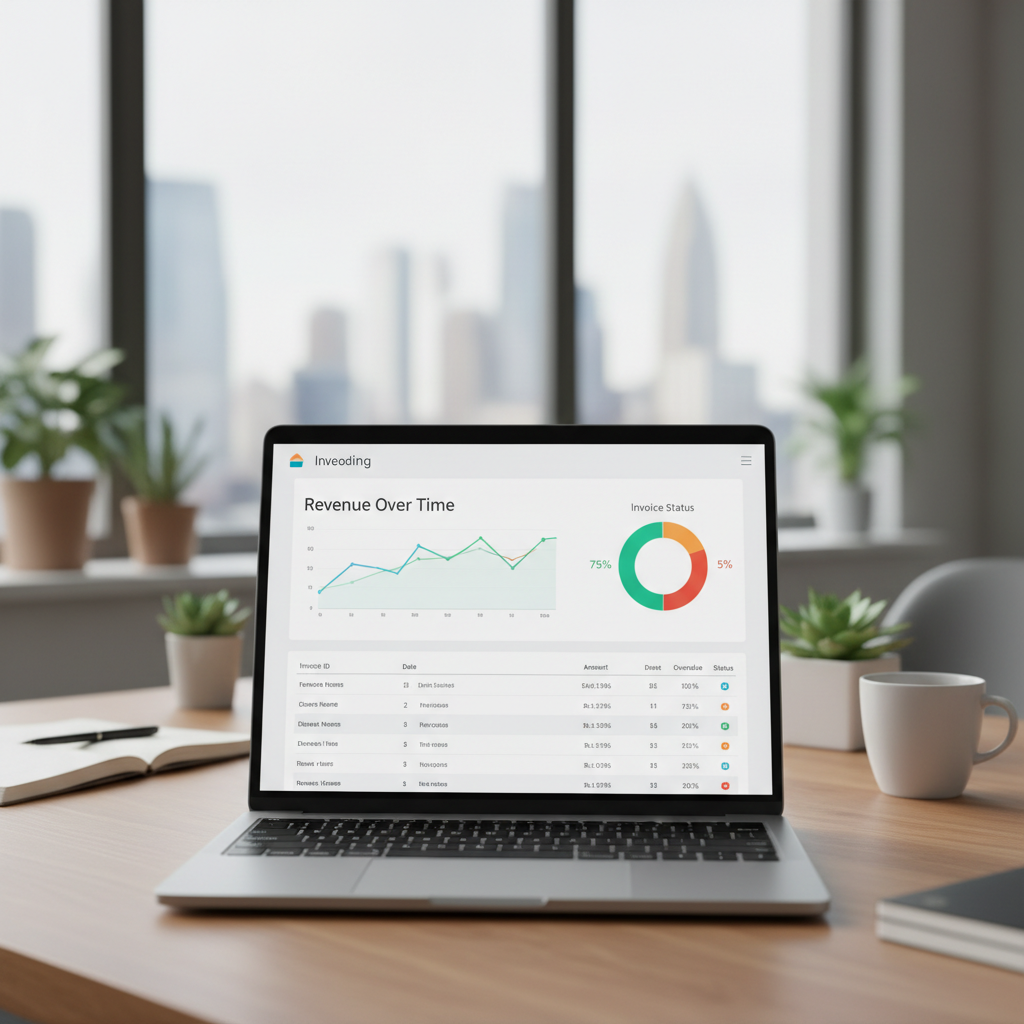
With a comprehensive dashboard, you can access crucial metrics such as overdue amounts, average payment times, and account receivables turnover. This allows for easy monitoring of your financial health without having to open each invoice individually.
3.2 Flexible Billing Preferences
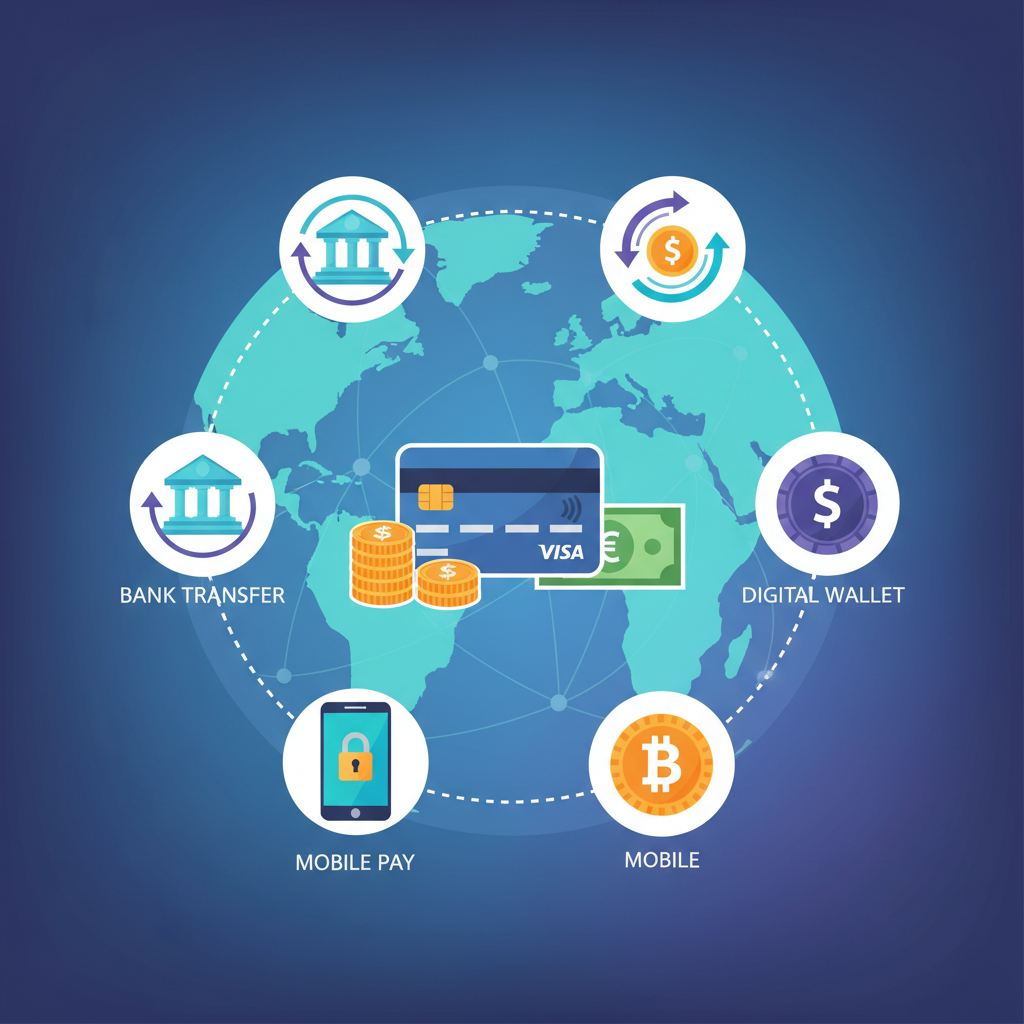
The ability to choose from multiple billing methods—such as credit/debit cards, direct debit (ACH), or direct pay—ensures you can select the most cost-effective and convenient payment option for your business.
| Payment Method | Processing Fee |
|---|---|
| Credit/Debit Cards | 2.9% + fee |
| Direct Debit (ACH) | 0.8% (max $5) |
| Direct Pay | No fee |
3.3 Real-Time Notifications
Timely reminders and notifications can help you stay on top of your invoicing tasks without constant manual checks. You'll receive updates on payment status, upcoming due dates, and any necessary actions to maintain smooth operations.
4. How to Create and Send Invoices Efficiently
Creating and dispatching invoices doesn’t have to be a cumbersome task. With the right tools, you can streamline this process:
4.1 Utilize Pre-Built Templates
Platforms like FastLLC offer ready-to-use invoice templates, saving you the time and effort of creating each invoice from scratch. You can simply fill in the necessary details and generate a professional invoice in minutes.
4.2 Preview Before Sending
Real-time previews allow you to see exactly how your invoice will appear to clients, ensuring accuracy and professionalism before it is sent out.
4.3 Multiple Delivery Options
Once the invoice is ready, you can choose to email it directly to clients, share a payment link, or download it for manual dispatch. This flexibility ensures your invoices are delivered in a manner that best suits your business needs.
5. Cost Considerations for Invoicing Services
Understanding the cost implications of invoicing platforms is important for budgeting. FastLLC integrates invoicing within its broader accounting services, ensuring you don't incur additional fees for using this feature. Processing fees remain competitive, with low rates for ACH transfers and standard industry charges for card transactions.
6. Future Innovations in Invoicing
The evolution of invoicing technology continues to simplify financial management for founders. Upcoming features, such as customizable recurring schedules and automated follow-up reminders, promise to enhance efficiency further. Non-resident entrepreneurs can look forward to setting up recurring invoices on a schedule that aligns perfectly with their business cycle, whether quarterly, bi-weekly, or monthly.
Additionally, automated reminders will ensure you never miss a follow-up on overdue invoices, reducing the manual effort involved in maintaining cash flow.
In conclusion, the right invoicing solution can save you time, reduce errors, and improve your overall business efficiency. As a non-resident founder, leveraging tools like those offered by FastLLC can help you manage your accounts receivable effortlessly, allowing you to focus on what truly matters—growing your business. Consider starting with a service that aligns with your needs today, and watch your invoicing process transform into a smooth, automated system.
7. Real-World Examples of Streamlining Invoicing
To truly understand the impact of optimized invoicing solutions, let's look at some real-world examples of businesses that have successfully streamlined their invoicing processes:
7.1 Case Study: Tech Startup "Innovate Global"
"Innovate Global," a tech startup based in Europe, faced significant challenges with manual invoicing as they expanded internationally. Their invoicing process was time-consuming and prone to errors, leading to delayed payments and cash flow problems. By switching to FastLLC’s platform, they automated recurring invoices and integrated their invoicing system with their accounting software. This transition reduced their invoicing time by 50% and improved payment receipt by 30% within the first quarter.
7.2 Case Study: E-commerce Platform "Fashion Forward"
"Fashion Forward," an online retailer, struggled with tracking payments and matching them to specific orders, resulting in numerous transaction discrepancies. Upon adopting an integrated invoicing solution, they were able to utilize real-time notifications and automated payment matching. This led to a 20% reduction in payment disputes and significantly improved customer satisfaction due to faster order processing times.
8. Common Mistakes in Invoicing and How to Avoid Them
Even with advanced tools, certain common invoicing mistakes can hinder your financial operations. Here are some pitfalls to avoid:
8.1 Overlooking Invoice Details
One of the most common mistakes is sending invoices with missing or incorrect information. Always double-check client details, itemized charges, and due dates before dispatching an invoice. Utilizing invoice templates can minimize human error and ensure all necessary information is included consistently.
8.2 Failing to Follow Up on Overdue Invoices
Ignoring overdue payments can severely impact your cash flow. Implementing automated reminders and follow-up systems can help ensure timely payments. Regularly review outstanding invoices and engage with clients proactively to resolve any issues.
8.3 Not Customizing Invoices for Different Markets
For non-resident founders, it's important to adapt invoices to align with local market regulations and cultural preferences. Tailor your invoicing language, currency, and payment options to meet the expectations of your international clientele.
9. Step-by-Step: Setting Up Automated Invoicing
Implementing an automated invoicing system can seem daunting, but by following these steps, you can simplify the process and start reaping the benefits:
- Select the Right Platform: Evaluate different invoicing platforms and choose one that integrates well with your existing systems. Ensure it offers the automation features you need, such as recurring billing and payment reminders.
- Customize Your Invoice Templates: Set up templates that include your branding, legal requirements, and the necessary fields for each client. This will ensure consistency and professionalism in your communications.
- Integrate with Financial Tools: Connect your invoicing platform with your accounting software, CRM, and payment processors to streamline data flow and reduce manual entries.
- Set Up Recurring Payments: For subscription models, configure recurring billing options on a schedule that suits your business, whether weekly, monthly, or annually.
- Enable Notifications: Activate real-time alerts for payment receipts, overdue invoices, and any changes in client status to keep you informed and responsive.
- Test and Monitor: Run a test cycle to ensure everything works smoothly and monitor your system regularly to identify and resolve any issues promptly.
By following these steps, you can establish a robust, automated invoicing system that minimizes errors and maximizes efficiency, freeing you to focus on strategic business growth.
Frequently Asked Questions
Non-resident founders often struggle with manual invoicing, tracking payment statuses, matching payments to invoices, and ensuring accuracy, making invoicing a time-consuming task.
Modern invoicing platforms offer features like automated invoice creation, seamless integration with accounting software, and real-time notifications to streamline the invoicing process.
Invoicing platforms usually support various payment methods, including credit/debit cards, direct debits (ACH), and direct pay, allowing flexibility in receiving payments.
FastLLC provides tools that simplify invoicing through automated processes, customizable reminders, and integrated financial services, tailored for non-resident founders.
Automating invoicing reduces manual errors, saves time, and ensures timely follow-ups on payments, helping maintain positive cash flow and efficient financial management.
Share this article



Ready to start your US LLC?
Formation, EIN, registered agent, and ongoing compliance — handled in one place.
Get Started for Free