
How to Start a US Business from Abroad: 4 Essential Steps for Non-Resident Founders

Starting a business is an exciting journey, especially for non-residents looking to form a US company. While the idea of launching a business can seem daunting, breaking it down into manageable steps can bridge the gap between concept and reality. In this comprehensive guide, we'll explore how international founders can establish a US business with confidence through four essential steps. Each step is designed to simplify the process, helping you focus on growth without getting overwhelmed by logistics.
1. Craft Your Business Vision
Understanding Your Business Idea
The first step toward launching your US business involves clearly defining your idea. Ask yourself: What problem does my business solve? Who are my target customers? By pinpointing these core elements, you'll create a strong foundation for your business plan. To refine your idea, consider conducting market research to understand the demands and preferences of your potential customers.
Validating Your Business Concept
Before diving into the paperwork, it's crucial to validate your business idea. This step ensures there's a real need for your product or service. You can validate your concept by engaging with prospective customers through surveys, focus groups, or one-on-one interviews. Additionally, explore online forums and communities relevant to your industry to gauge interest and gather feedback.
Naming Your Business
A compelling business name can make a significant impact. Use online tools to brainstorm and check the availability of your chosen name, considering trademark registrations and domain availability. The name should be memorable, relevant to your offerings, and legally available to avoid future complications.
2. Plan Your Business Structure
Choosing the Right Legal Entity
Deciding on a legal structure is one of the most crucial decisions for your US business. For most non-resident founders, a Limited Liability Company (LLC) is a popular choice due to its flexibility, liability protection, and tax advantages. However, depending on your business goals and financial plans, you might also consider forming a C-Corporation or S-Corporation.
Comparing Business Structures
| Business Structure | Advantages | Considerations |
|---|---|---|
| LLC | Personal liability protection, flexible management, pass-through taxation | More paperwork than sole proprietorship, requires an operating agreement |
| C-Corporation | Unlimited growth potential, attractive to investors | Double taxation, more regulatory requirements |
| S-Corporation | Pass-through taxation, avoids double taxation | Restrictions on stock ownership, intricate compliance rules |
Understanding Startup Costs
Before forming your business, develop a comprehensive understanding of your startup costs. This includes registration fees, legal expenses, equipment, marketing, and operational costs. Creating a detailed budget will help you manage your finances effectively and avoid unexpected expenses.
3. Secure Your Business Essentials
Registering Your Business
Once you've chosen your business structure, the next step is formal registration. This involves filing the necessary documents, such as the Articles of Organization for an LLC or Articles of Incorporation for a corporation. At FastLLC, we simplify this process by handling the paperwork, ensuring everything is filed accurately and efficiently.
Obtaining an Employer Identification Number (EIN)
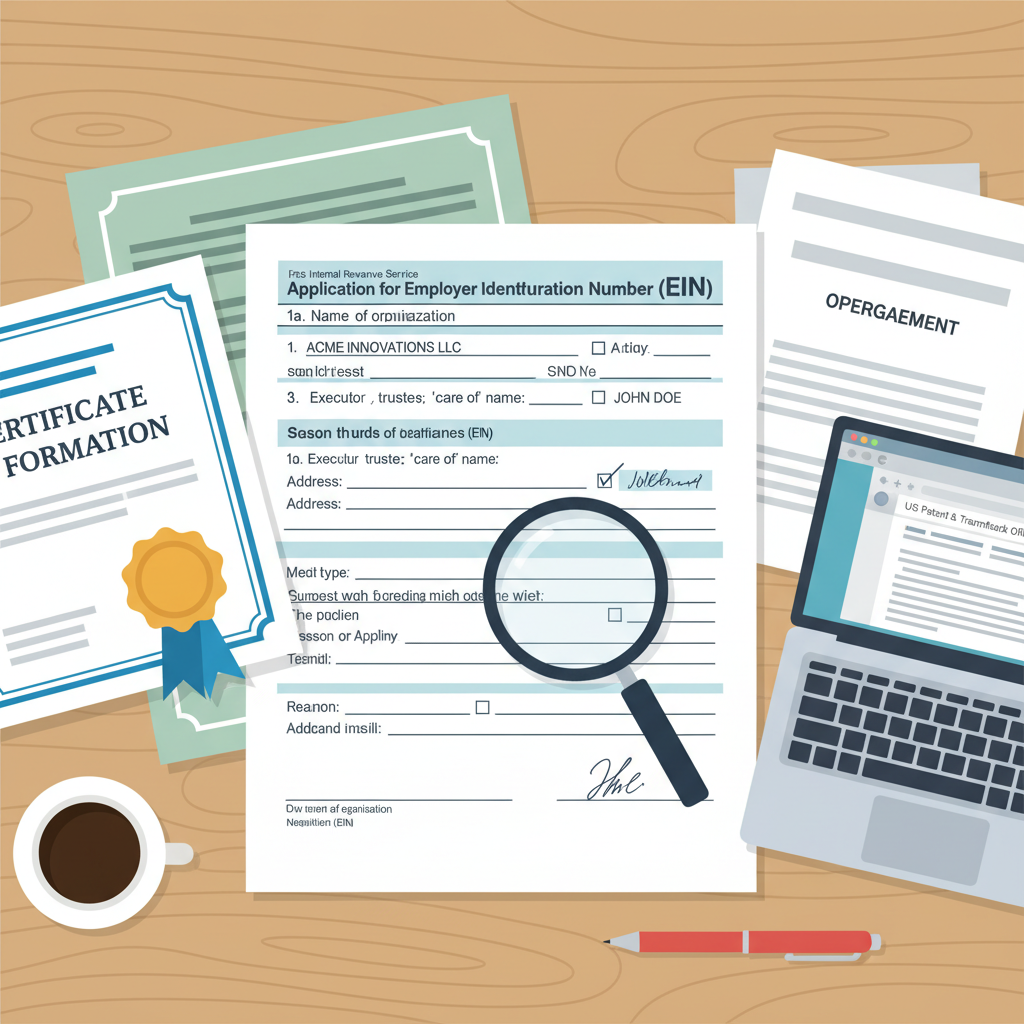
An EIN is essential for conducting business in the US, akin to a social security number for your company. Non-residents without a Social Security Number can still obtain an EIN with services like FastLLC, which streamline the application process on your behalf.
Selecting a Registered Agent
Every US business needs a registered agent to handle legal documents and compliance communications. Non-residents can opt for a reliable service provider like FastLLC to ensure they meet state requirements and maintain good standing.
4. Launch and Grow Your Business
Developing a Marketing Strategy
With your business legally established, it's time to attract customers. Craft a marketing plan that highlights your unique value proposition and connects with your target audience. Utilize digital marketing tools, social media platforms, and content marketing to increase brand awareness and drive sales.
Setting Up Operational Systems
Efficient operational systems are key to sustainable growth. Implement tools for project management, customer relationship management (CRM), and financial tracking to streamline your operations. These systems will help you manage tasks, communicate with clients, and monitor business performance.
Expanding Your Reach
As your business grows, explore opportunities to expand your reach. Consider partnerships, collaborations, or entering new markets to diversify your revenue streams. Continuous innovation and adaptation to market trends will keep your business competitive and relevant.

Establishing a US company as a non-resident founder is an achievable goal with the right guidance and resources. By following these four essential steps, you can confidently navigate the complexities of business formation and focus on growing your enterprise. At FastLLC, we're dedicated to supporting founders like you in every step of the process, making your entrepreneurial journey seamless and successful. Take the next step today and turn your vision into a thriving US business.
5. Navigating Legal and Regulatory Requirements
Understanding US Business Laws
Complying with US business laws is crucial for any company, especially for non-resident founders unfamiliar with the American regulatory environment. It's important to familiarize yourself with federal, state, and local laws that may affect your business operations. Research industry-specific regulations and ensure that your business activities align with legal standards. Consulting with a legal expert can provide clarity and safeguard your business from potential legal issues.
Licenses and Permits
Depending on your business type and location, you may need specific licenses and permits to operate legally. While some businesses require only a general business license, others might need additional permits related to health, safety, or environmental regulations. Different states and cities have unique requirements, so it's essential to verify what's needed for your specific industry. FastLLC can assist in identifying and applying for the necessary licenses and permits, ensuring compliance from the start.
Intellectual Property Protection
Protecting your intellectual property (IP) is vital to maintaining your competitive edge. Consider trademarking your business name and logo to secure your brand identity. If you've developed unique products or processes, explore patents as a means of protection. Copyrights might be necessary if your business involves creating original content. Leveraging IP protection safeguards your innovations and prevents unauthorized use by competitors.
6. Financial Management and Planning
Setting Up Business Banking
Establishing a business bank account is a fundamental step in managing your finances. It separates your personal and business finances, simplifying accounting and tax reporting. When choosing a bank, consider factors like service fees, online banking features, and the bank's experience with international clients. Some banks offer specialized services for non-resident business owners, which can be beneficial for managing cross-border transactions.
Bookkeeping and Accounting
Accurate bookkeeping and accounting are crucial for tracking your business's financial health. Implement a reliable accounting system to record all financial transactions, including income, expenses, and tax obligations. Regularly reviewing financial statements helps you make informed decisions and ensures you remain compliant with US tax laws. Consider hiring a professional accountant or using accounting software to streamline this process.
Tax Compliance and Reporting
Understanding and fulfilling your tax obligations is critical for legal compliance. As a non-resident business owner, you must be aware of federal, state, and possibly local tax requirements. Determine whether you need to file an annual tax return and remit sales tax, employment taxes, or other applicable taxes. Seeking guidance from a tax professional who understands international business taxation can help you navigate these complexities and avoid costly penalties.
7. Building a Strong Team
Hiring Employees or Contractors
As your business grows, building a competent team becomes essential. Decide whether to hire employees or work with independent contractors based on your business needs and budget. Employees provide long-term stability, while contractors offer flexibility and specialized skills. Ensure compliance with US employment laws, including work visas for non-resident hires, and consider using services like FastLLC to simplify recruitment and human resource management.
Cultivating a Positive Company Culture
A strong company culture attracts and retains top talent, enhancing productivity and morale. Define your company values and communicate them clearly to your team. Foster an inclusive and supportive work environment where every employee feels valued and motivated. Regular feedback sessions and team-building activities can strengthen relationships and drive collective success.
Leadership and Development
Effective leadership is key to guiding your team toward achieving business goals. Invest in leadership training and development programs to enhance your management skills. Encourage continuous learning and professional growth among your employees by offering workshops, courses, or access to industry resources. A well-led team is more likely to innovate and adapt to market changes, ensuring long-term business success.
Frequently Asked Questions
Yes, non-residents can start a business in the US by choosing the appropriate business structure and completing the necessary registration processes.
An LLC is often preferred by non-residents due to its flexibility, liability protection, and simple tax requirements.
Yes, an Employer Identification Number (EIN) is necessary for most US businesses, and non-residents can acquire one through services like FastLLC.
A registered agent is required to handle legal documents and compliance communications on behalf of the business, particularly important for non-resident owners.
You can validate your business idea by engaging with potential customers through surveys and interviews, and by researching market demand online.
Share this article



Ready to start your US LLC?
Formation, EIN, registered agent, and ongoing compliance — handled in one place.
Get Started for Free