
How to Reduce Import Tariffs in the US with an American Subsidiary
1. Understanding the Challenge of Import Tariffs in the US
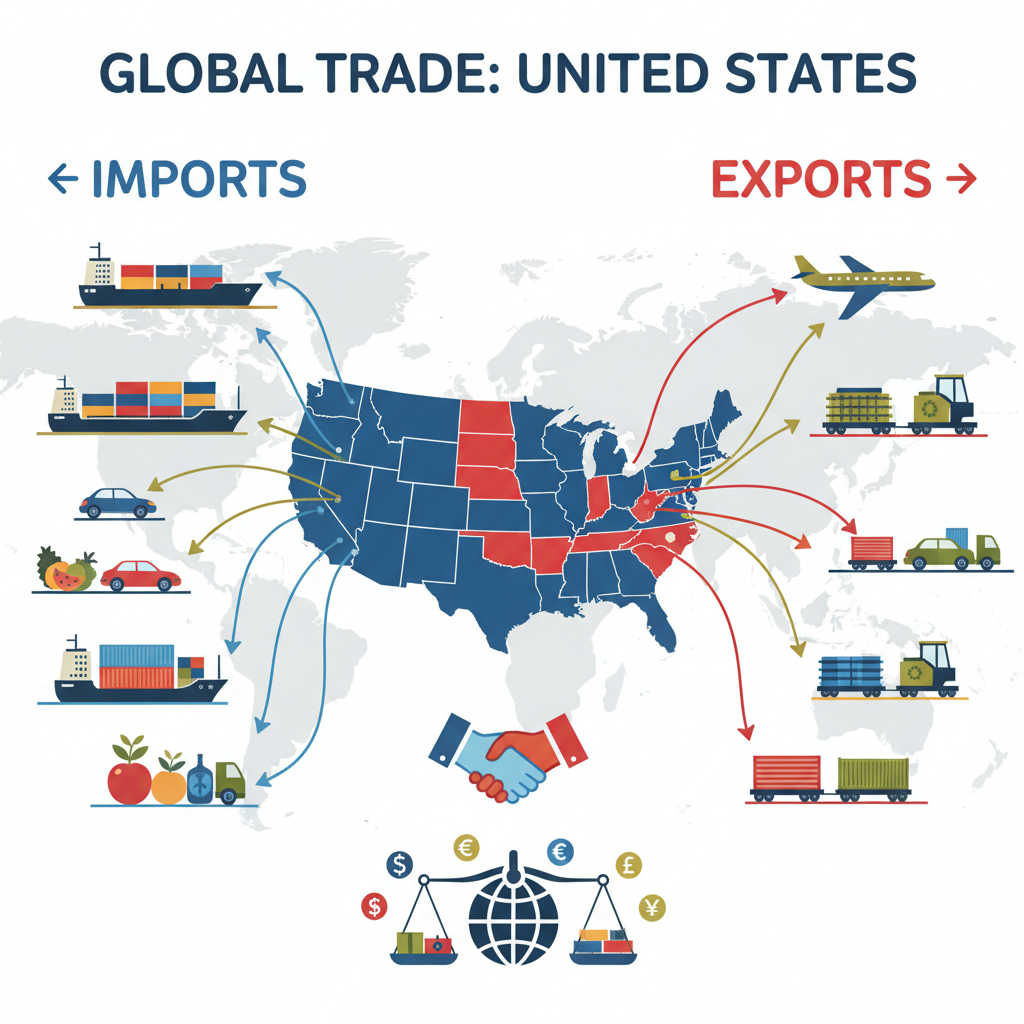
As the largest e-commerce market globally, the United States is an essential target for entrepreneurs selling physical products. With over 30% of all cross-border online purchases originating from the US, international sellers cannot afford to ignore this market. However, the traditional cross-border selling model presents structural disadvantages, particularly due to the recent increase in import tariffs.
In mid-2026, the Office of the United States Trade Representative suggested additional tariffs on goods from numerous economies, including the European Union, Mexico, and Argentina. These tariffs arose from a Section 301 investigation focusing on forced labor within global supply chains. Given the formal nature of this investigation rather than a presidential decree, these tariffs are unlikely to decrease soon.
1.1 How Import Tariffs Affect Cross-Border Models
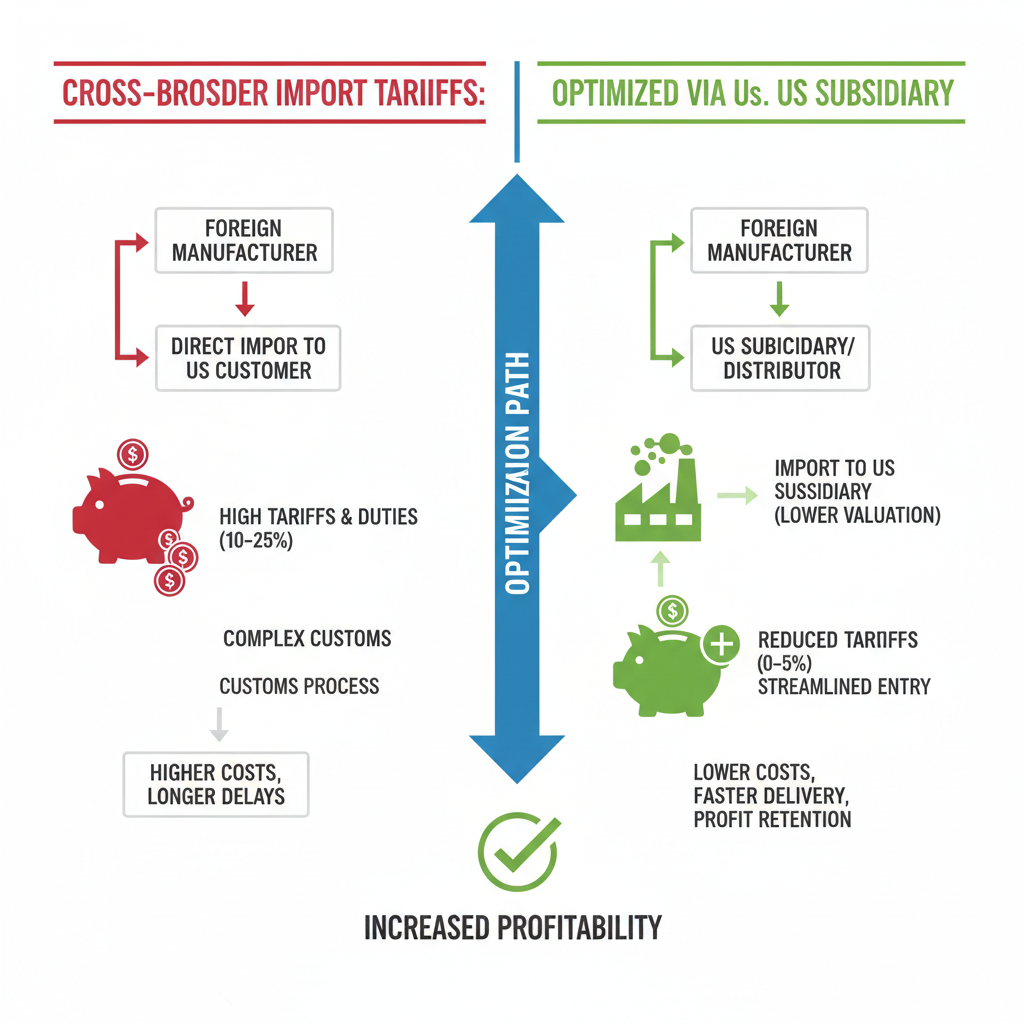
When selling directly from outside the US to American consumers, import tariffs are calculated on the total sales value, including profit margin, shipping, and insurance, rather than the production cost. This creates a distortion where a product costing $20 to manufacture but selling for $80 is taxed on the $80 sales price. This scenario compresses margins, reduces competitiveness, and results in higher costs for the consumer.
2. Leveraging an American Subsidiary to Mitigate Tariffs
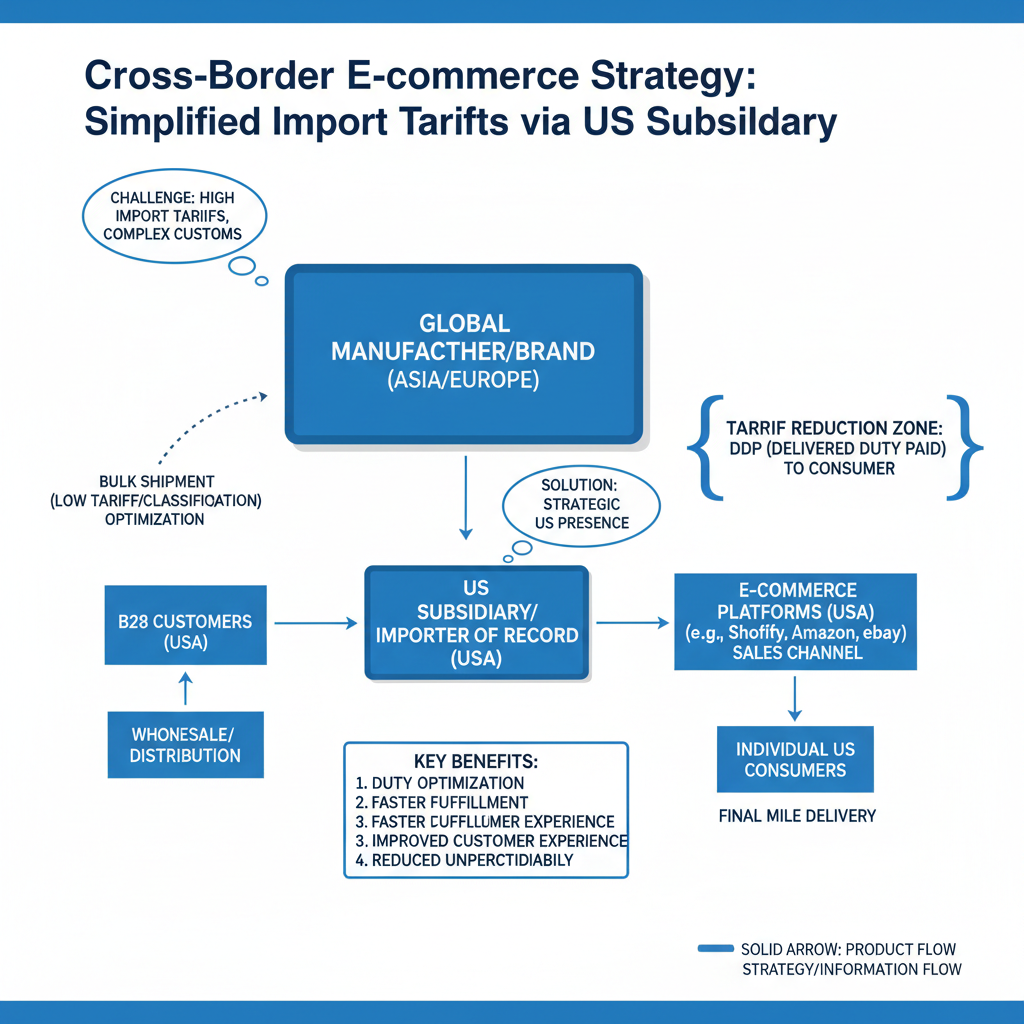
Establishing a company in the US can transform how tariffs are calculated, offering a strategic advantage to international sellers. By using a US-based subsidiary as the Importer of Record, businesses can shift import valuations from consumer sale price to production cost, significantly reducing tariff expenses.
2.1 The Importer of Record Strategy
With this approach, your American subsidiary imports products at their production cost plus a reduced margin, not at the retail price. This shift allows for tariffs to be calculated on the actual cost rather than the inflated consumer price, providing control over import value declarations and market operations.
3. Understanding Delivered Duty Paid (DDP) Model
The Delivered Duty Paid (DDP) model ensures a seamless transaction for the consumer, with all costs included upfront. Products shipped directly from the origin country to US consumers bypass intermediate distribution centers, and the American subsidiary acts as the Importer of Record, handling tariff payments based on production costs.
3.1 Benefits of the DDP Model
Implementing the DDP model results in faster logistics, lower import costs, and protection of commercial data from the consumer's view. For customers, the purchase experience is straightforward, with no unexpected delivery costs.
4. Practical Benefits of a US Subsidiary
While reducing import costs is a primary advantage, operating through a US subsidiary offers several additional benefits:
Financial Integration: Access to American banking facilities, payment gateways such as Shopify Payments, and the ability to conduct transactions as a local entity.
Tax Efficiency: Operational and acquisition costs lower the taxable income base, focusing on profit rather than total revenue.
Optimized Resource Allocation: Strategic resale or licensing agreements can efficiently allocate group costs.
It’s important to note that operating in the US involves certain obligations, such as state Sales Tax, Federal Income Tax, and Transfer Pricing compliance between the parent company and subsidiary. Proper structuring from the start is essential to manage these responsibilities effectively.
5. Steps to Establish a US Subsidiary
Setting up a subsidiary in the US for cross-border e-commerce involves multiple layers:
5.1 Financial Setup
A company in the US requires an Employer Identification Number (EIN), a local bank account, and a payment gateway to handle dollar transactions as a US entity.
5.2 Logistics Management
Utilize global carriers like DHL, FedEx, and UPS to operate under the DDP model, ensuring customs clearance and door-to-door tariff payments.
5.3 Compliance Structuring
Engage accountants familiar with US regulations for managing Sales Tax, Federal Tax, and Transfer Pricing, ensuring compliance with local rules.
6. Strategic Decision Making
The American market remains accessible to foreign companies, yet current conditions favor those operating locally. With rising tariffs, establishing a US subsidiary can enhance competitiveness, not just tax efficiency. This strategy can differentiate between merely selling to the US and actively participating within the market, affecting margins, customer experience, and sustainable growth potential.
As you consider forming a US company, FastLLC can facilitate the setup process, including obtaining an EIN without a Social Security Number and providing registered agent services. By taking proactive steps, you can navigate the complexities of US market operations and leverage opportunities for growth. For aspiring founders outside the US, starting a company here could be your pathway to accessing this vibrant market.
7. Common Mistakes When Establishing a US Subsidiary
While the benefits of establishing a US subsidiary are numerous, there are common pitfalls that businesses should avoid to ensure a successful venture:
7.1 Incorrect Business Structure
Choosing the wrong business structure can have long-term implications on taxes, liability, and operational flexibility. Many international entrepreneurs default to forming a Limited Liability Company (LLC) without considering other options like C-Corporations, which may offer better tax advantages or shareholder options depending on the business model. It is crucial to consult with legal advisors to determine the most appropriate structure.
7.2 Inadequate Market Research
Launching a subsidiary without thorough market research can lead to misaligned strategies and unexpected challenges. Understanding consumer preferences, competitive landscape, and regulatory requirements is essential for setting realistic expectations and crafting effective marketing and operational plans.
7.3 Overlooking Cultural Differences
Failure to recognize cultural nuances in consumer behavior can impact branding and customer engagement. International sellers must adapt product offerings and marketing strategies to align with American consumer expectations to enhance brand acceptance and loyalty.
8. Real-World Case Study: Success Story of a US Subsidiary
To illustrate the tangible benefits of establishing a US subsidiary, let's explore a real-world example of a company that successfully navigated the complexities of cross-border e-commerce:
8.1 Company Overview: TechGadgets International
TechGadgets International, a European electronics company, faced high import tariffs when selling directly to US consumers. Recognizing the growing demand for their innovative products, they decided to establish a US subsidiary.
8.2 Strategic Implementation
The company utilized the Importer of Record strategy to minimize tariff costs, importing products at production cost through their American subsidiary. They also adopted the DDP model to streamline logistics and enhance customer experience.
8.3 Achieving Success
Within two years, TechGadgets International increased their US market share by 30% and reduced import tariff expenses by 40%. Their strategic approach not only improved profitability but also fostered stronger brand recognition among American consumers.
9. Comparison of Cross-Border Selling Models
Understanding the different models for selling across borders is crucial for international businesses aiming to penetrate the US market.
Aspect Direct Sales Model US Subsidiary Model Tariff Calculation Based on consumer sale price Based on production cost Logistics Complex, potential delays Simplified, streamlined Market Presence Limited visibility Enhanced market integration Consumer Experience Potential hidden costs Transparent pricing
By comparing these models, businesses can make informed decisions about the most strategic approach to accessing the US market.
Frequently Asked Questions
An Importer of Record is the entity responsible for ensuring that imported goods comply with US customs regulations and for paying applicable tariffs.
The DDP model simplifies logistics by including all costs upfront, reducing import expenses, and ensuring transparency for consumers.
A US subsidiary must comply with state Sales Tax, Federal Income Tax, and Transfer Pricing regulations between the parent company and subsidiary.
Yes, non-residents can acquire an EIN through services such as FastLLC, which help navigate the application process without an SSN.
A US subsidiary allows for lower import tariffs, tax efficiency, improved logistics, and better integration with the local market.
Share this article



Ready to start your US LLC?
Formation, EIN, registered agent, and ongoing compliance — handled in one place.
Get Started for Free