
How to Reduce Import Tariffs in the U.S. with an American Subsidiary
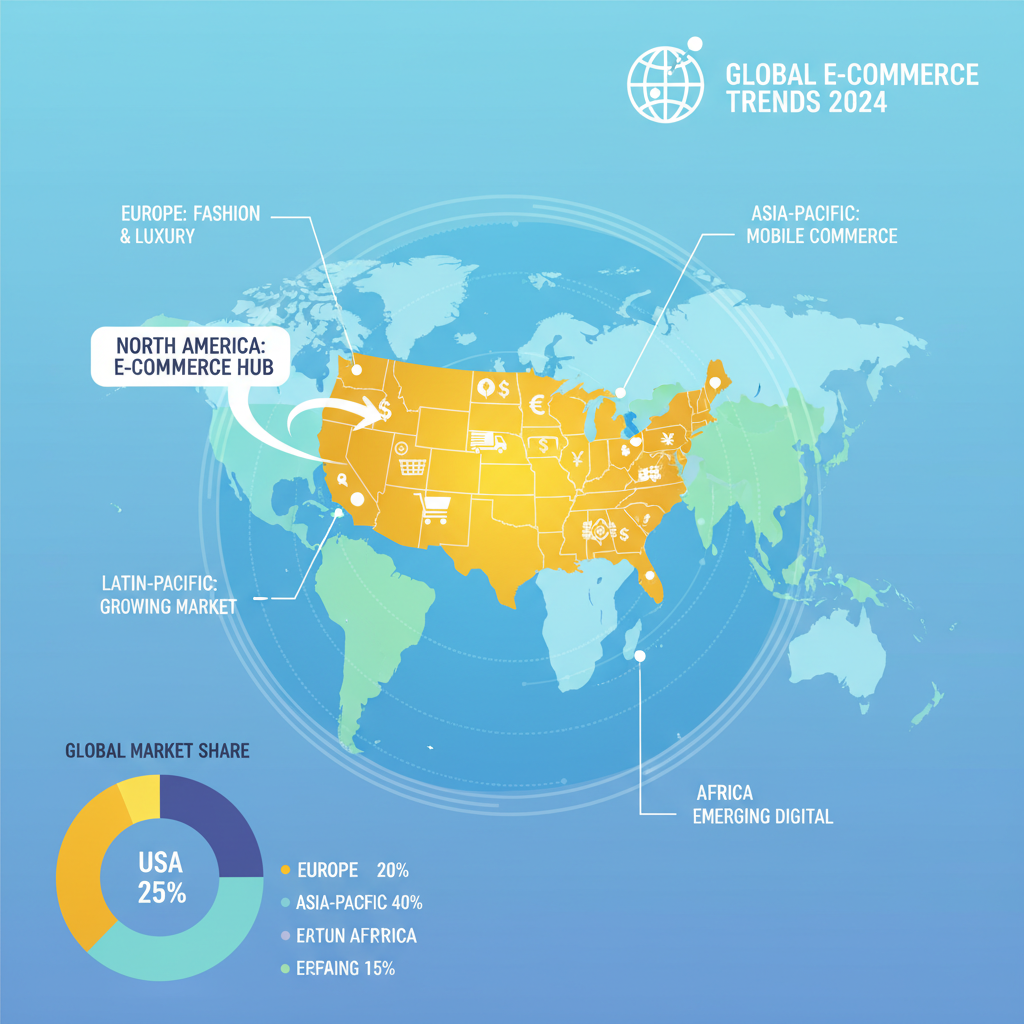
1. Understanding the U.S. E-commerce Market
The United States stands out as the largest e-commerce market globally, accounting for over 30% of cross-border online purchases worldwide. For international sellers, tapping into this market is an opportunity that could significantly increase their revenue. However, many businesses face structural disadvantages when selling across borders, exacerbated by import tariffs imposed by the U.S. government. These tariffs can tighten profit margins and make products less competitive when sold directly from overseas to American consumers.
2. The Impact of Import Tariffs on Cross-border Sales
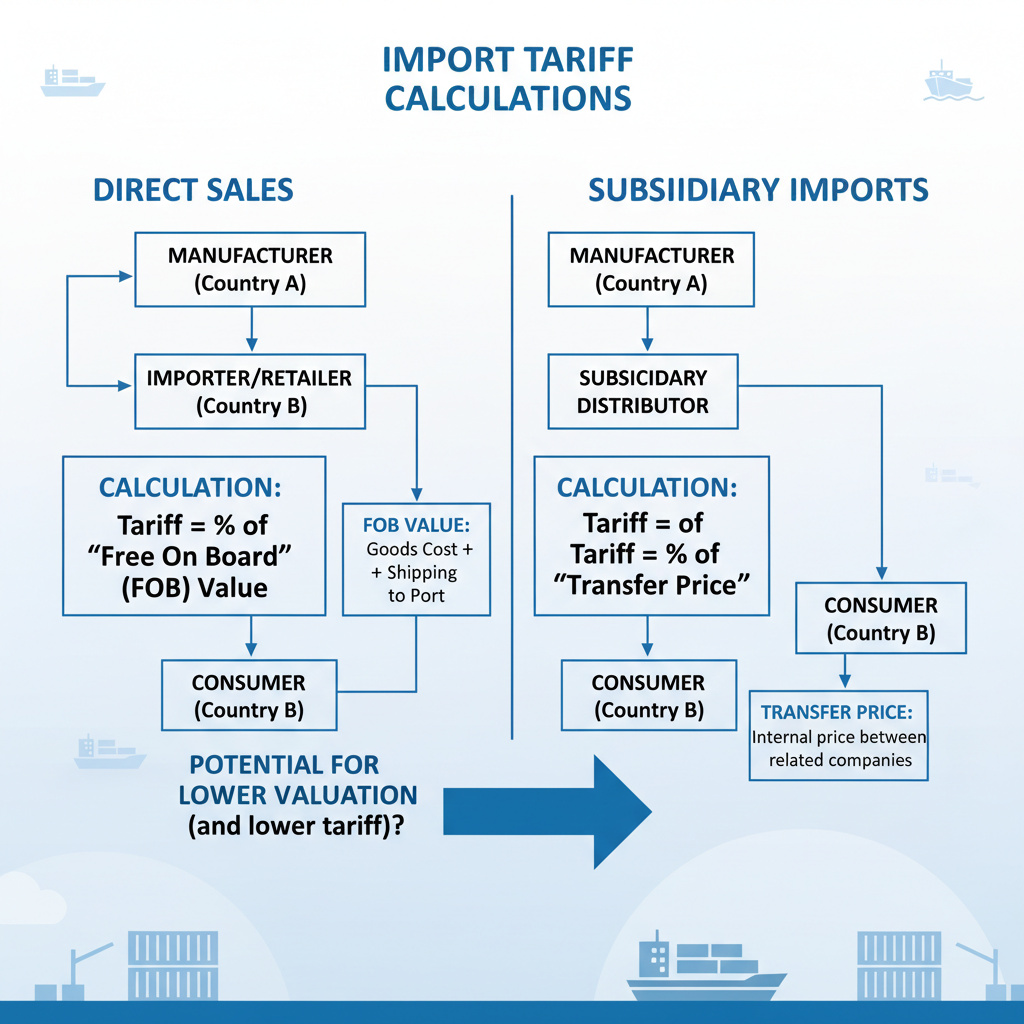
When a business outside the U.S. sells directly to American customers, the import tariffs are calculated on the total sale value, including markup, shipping, and insurance costs. This means the tax is levied not on the production cost but on the final sale price, which can distort the perceived efficiency of a business. For instance, a product that costs $20 to manufacture and sells for $80 will have the tax calculated on the $80, not the $20. This results in compressed margins, higher consumer prices, and a less competitive product offering.
2.1 Calculating Import Tariffs
The formula for calculating import tariffs in the U.S. involves several components, which include the declared value of the goods, shipping costs, and any additional charges. Below is a simplified table to illustrate how tariffs might be calculated:
Component Description Declared Value Cost of goods sold before import. Shipping Costs Expenses related to transportation of goods. Insurance Coverage costs for goods during transit. Total Import Tariff Calculated on the sum of above costs.
3. Utilizing an American Subsidiary to Optimize Tariff Costs
Creating a subsidiary in the United States offers a strategic avenue to mitigate the impact of import tariffs. By establishing a company that acts as the Importer or Merchant of Record, the tariff calculations shift to the cost of production rather than the retail price. This subsidiary imports products at a reduced margin, optimizing tax obligations and enhancing control over pricing strategies and operational logistics in the U.S. market.
3.1 Advantages of an American Subsidiary
Control over import declaration values.
Enhanced pricing, logistics, and post-sale operations management.
Reduced import tariffs calculated on actual production costs.
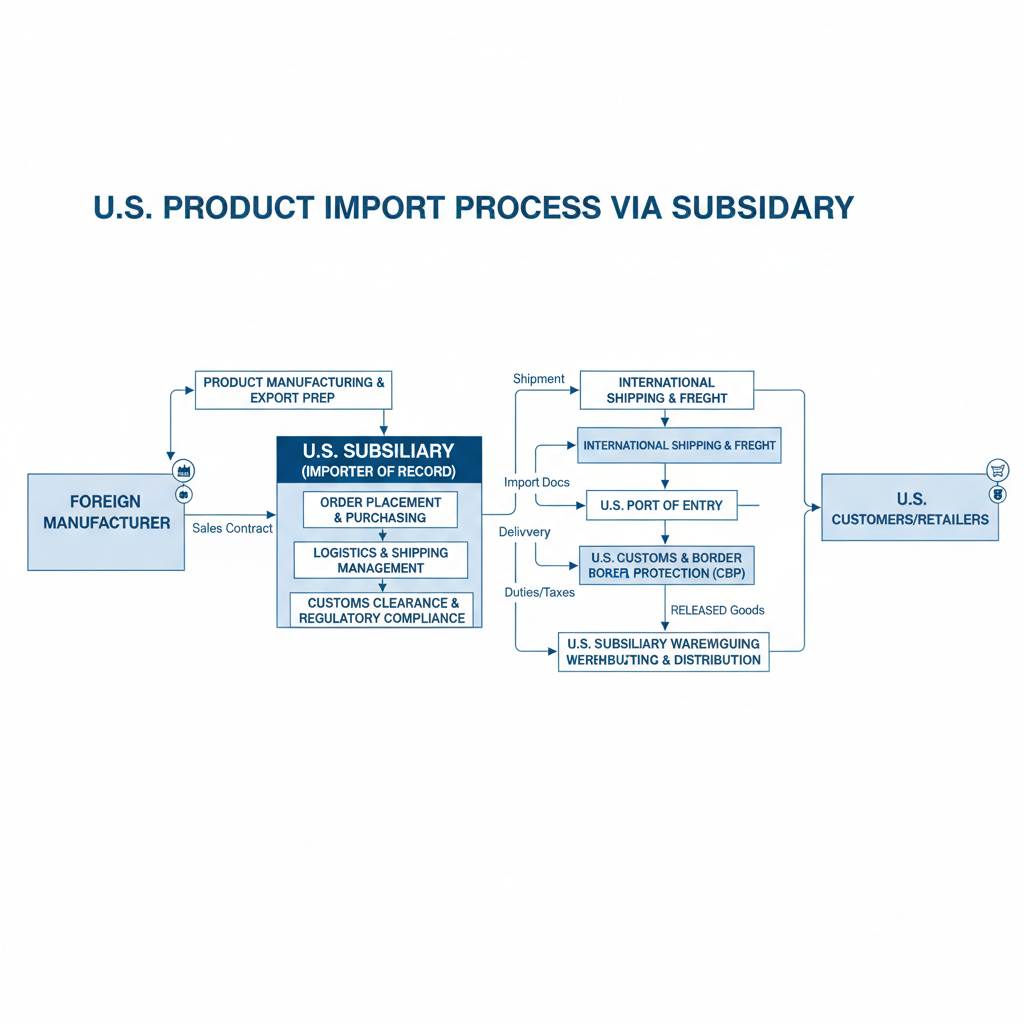
FastLLC provides services that facilitate the formation of American subsidiaries, assisting in the acquisition of necessary permits and EINs for non-residents.
4. Exploring the Delivery Duty Paid (DDP) Model
The DDP model is an efficient method that streamlines the process of delivering goods from the country of origin directly to American consumers. In this setup, the American subsidiary declares imports and covers all associated tariffs based on production costs rather than retail prices. Consumers benefit from receiving products at final prices inclusive of all duties, while businesses experience faster logistics and reduced import costs.
4.1 How DDP Benefits E-commerce Operations
Transparent consumer experience with no hidden costs.
Accelerated logistics due to direct shipping routes.
Protection of commercial data from customer visibility.
5. Realizing Additional Benefits of an American Subsidiary
While reducing import tariffs is a primary advantage, operating an American subsidiary offers a plethora of other benefits:
5.1 Financial Accessibility
Opening a U.S. subsidiary grants access to American financial services, including dollar-denominated bank accounts, payment gateways like Shopify Payments, and the ability to process transactions locally.
5.2 Tax Advantages
A U.S. company pays taxes on profits rather than gross revenue, allowing operational and product acquisition costs to minimize taxable income. Additionally, well-structured resale or licensing agreements can help allocate group costs more efficiently.
5.3 Compliance Obligations
Operating within the U.S. market necessitates understanding federal and state tax obligations, such as Sales Taxes, Federal Income Tax, and Transfer Pricing compliance between parent and subsidiary companies. FastLLC offers guidance in structuring these obligations to ensure compliance.
6. Strategic Setup for Cross-border Operations
Establishing a subsidiary in the U.S. requires an integrative approach:
6.1 Financial Layer
Formation of a U.S. entity with an EIN, a local bank account, and a connected payment gateway to handle dollar transactions.
6.2 Logistics Layer
Utilization of global carriers like DHL, FedEx, and UPS operating on the DDP model, ensuring seamless customs clearance and tariff payments.
6.3 Compliance Layer
Managing bookkeeping, accounting, and tax obligations with professionals knowledgeable in U.S. regulations.
7. Making the Decision to Form a U.S. Subsidiary
Although the American market remains open to foreign businesses, it increasingly favors those that operate locally. With rising tariffs, establishing a U.S. subsidiary could be a strategic choice for competitiveness, offering advantages in margin growth, customer experience, and sustainable expansion in the world's largest e-commerce market.
For businesses that sell internationally, understanding and structuring operations to navigate U.S. import tariffs can significantly impact their competitiveness and profitability. FastLLC can assist in forming your U.S. company, providing expert guidance on navigating the regulatory landscape.
If you're ready to start your journey into the U.S. market, consider the benefits of forming an American subsidiary. FastLLC is here to support you every step of the way, ensuring you have the tools and knowledge to succeed in this vibrant marketplace.
8. Overcoming Common Challenges in U.S. Market Entry
Entering the U.S. market, while lucrative, comes with its set of challenges that businesses must navigate to ensure success. Understanding these challenges and preparing to address them can make the difference between success and failure.
8.1 Navigating Regulatory Requirements
One of the primary challenges is understanding and complying with the complex regulatory landscape. This includes federal regulations, state-specific laws, and local ordinances. Businesses must ensure compliance with labor laws, environmental regulations, and industry-specific standards to avoid fines and legal issues.
8.2 Cultural and Consumer Behavior Differences
The U.S. is culturally diverse, and consumer preferences can vary significantly across regions. Businesses need to conduct comprehensive market research to understand local consumer behavior and tailor their marketing strategies accordingly. Ignoring these nuances can lead to ineffective marketing campaigns and missed sales opportunities.
8.3 Competition and Market Saturation
The U.S. market is highly competitive, with both local and international players vying for consumer attention. Businesses must differentiate themselves by offering unique value propositions, superior customer service, and innovative products. Understanding competitor strategies and positioning your brand effectively is crucial to gaining market share.
9. Case Study: Successful U.S. Market Entry
Exploring real-world examples of successful market entry can provide valuable insights and inspiration for businesses looking to establish a presence in the U.S.
9.1 Company XYZ's Strategic Approach
Company XYZ, a European-based fashion retailer, successfully entered the U.S. market by adopting a strategic approach focusing on brand localization and partnerships. They collaborated with local influencers to increase brand visibility and adapted their product lines to fit American tastes.
9.2 Leveraging Technology and Data
By implementing advanced data analytics, Company XYZ was able to gain insights into consumer preferences and optimize their inventory management. This data-driven approach enabled them to streamline operations, reduce costs, and offer competitive pricing.
9.3 Building a Strong Distribution Network
Company XYZ established a robust distribution network by partnering with local logistics providers. This allowed them to offer efficient and timely delivery services, enhancing customer satisfaction and building brand loyalty.
10. Steps to Establishing a U.S. Subsidiary
For businesses considering establishing a U.S. subsidiary, a clear and structured approach is essential. Here is a step-by-step guide to help streamline the process.
10.1 Conducting Market Research
Begin by researching the U.S. market to understand potential demand, consumer preferences, and competitive landscapes. Identify key regions and demographics that align with your business objectives.
10.2 Legal and Structural Setup
Work with legal advisors to choose the appropriate business structure, register your business, and obtain the necessary licenses and permits. This includes securing an Employer Identification Number (EIN) and registering for state and federal taxes.
10.3 Building a Local Team
Hire local talent with expertise in your industry and familiarity with the U.S. market. A local team can provide invaluable insights and help navigate cultural and operational challenges.
10.4 Establishing Banking and Financial Operations
Open a U.S. bank account to manage transactions and cash flow in dollars. Consider working with financial consultants to optimize your tax strategy and ensure compliance with all fiscal regulations.
By following these steps and leveraging the expertise of partners like FastLLC, businesses can position themselves for success in the dynamic U.S. market. Whether it's navigating tariffs or setting up operations, having a comprehensive plan in place will make the transition smoother and more effective.
Frequently Asked Questions
Forming a U.S. subsidiary can help reduce import tariffs, provide access to American financial services, and enhance local market operations.
A subsidiary in the U.S. allows for import tariffs to be calculated based on production costs rather than retail prices, lowering your tax burden.
DDP is a shipping model where the seller pays all duties upfront, ensuring the customer receives goods without surprise costs.
U.S. subsidiaries must comply with tax regulations including Sales Tax, Federal Income Tax, and Transfer Pricing rules.
Yes, non-residents can obtain an EIN through services like FastLLC, which assist in U.S. company formation.
Share this article



Ready to start your US LLC?
Formation, EIN, registered agent, and ongoing compliance — handled in one place.
Get Started for Free